When Machine Learning Meets Wagering: Customizing Journeys in Slots, Sports, and Strategic Card Play
Carlo Coleman · Jun 27, 2026
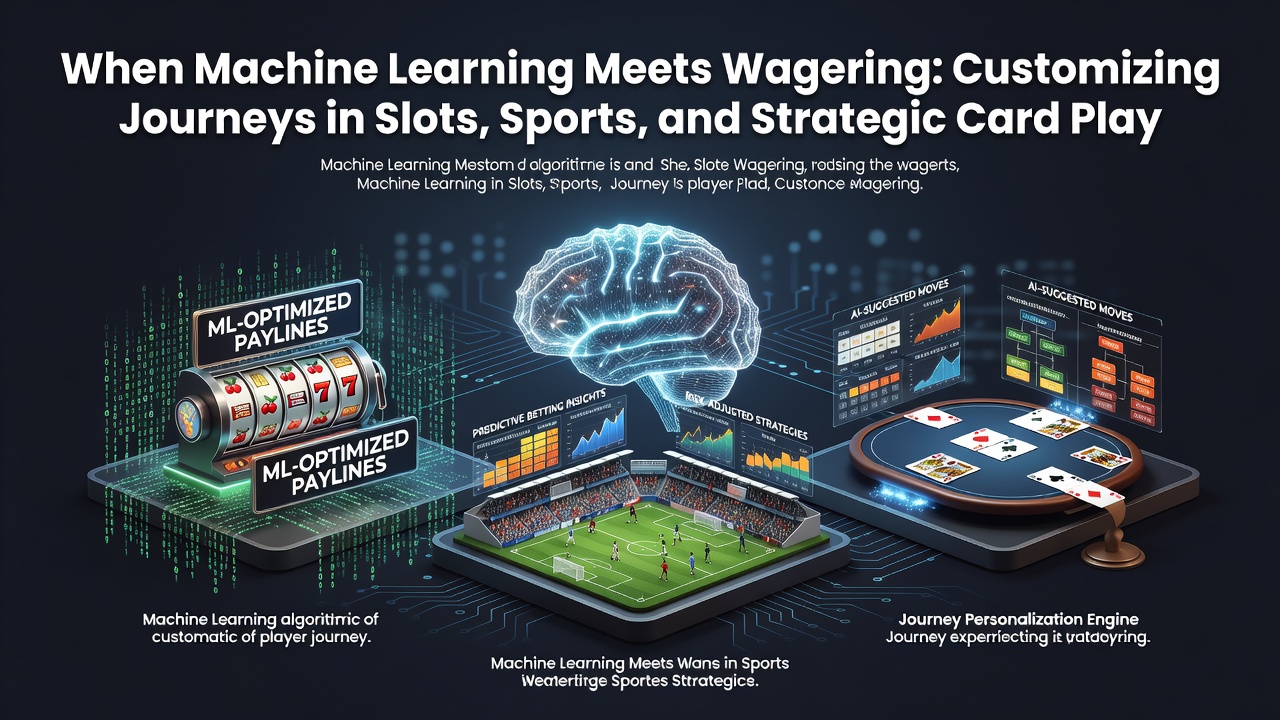
When Machine Learning Meets Wagering: Customizing Journeys in Slots, Sports, and Strategic Card Play
Machine learning systems now process vast streams of player activity data to shape individualized experiences in digital wagering environments, and this integration has accelerated through the first half of 2026. Algorithms evaluate betting histories, session lengths, and game preferences to adjust content delivery in real time, while regulatory bodies in multiple jurisdictions track these developments through updated compliance frameworks.
Personalization Mechanisms in Slot Offerings
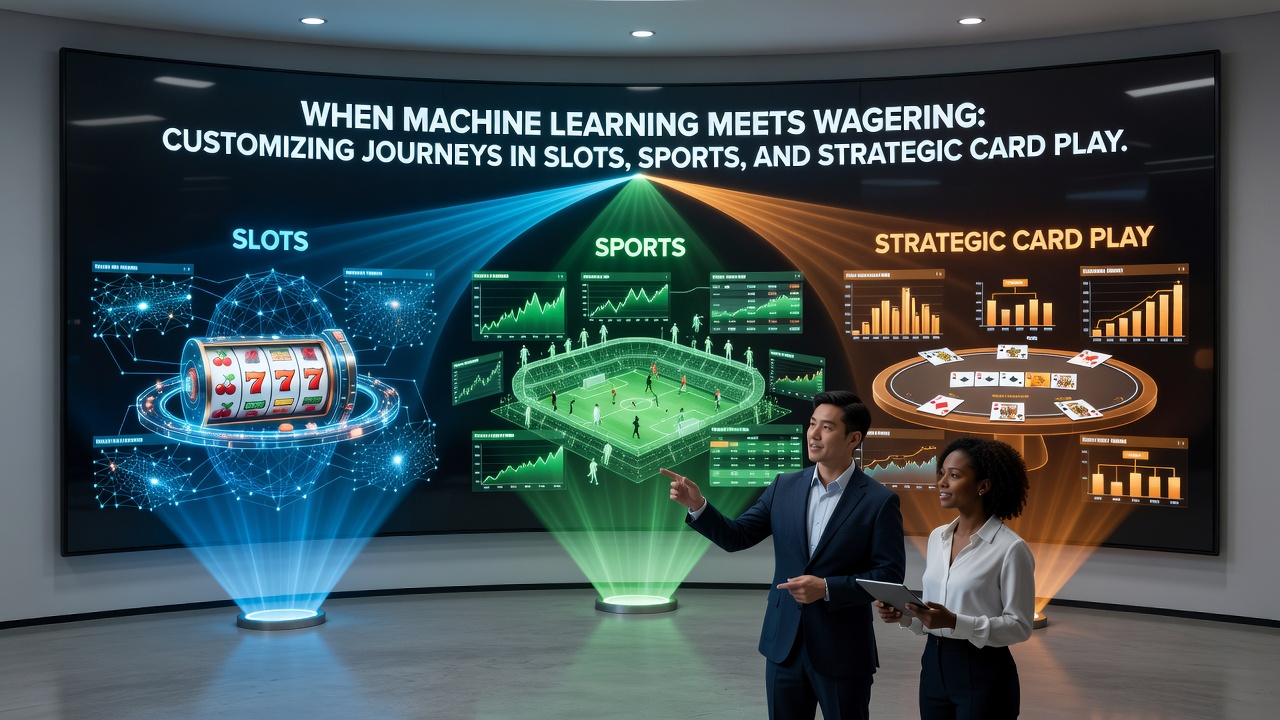
Slot platforms apply clustering techniques to group users by volatility tolerance and feature engagement patterns, then surface reel configurations that align with those profiles. Data from transaction logs shows that sessions featuring dynamically selected bonus rounds maintain longer durations than static presentations, and developers continue refining these models using supervised learning on anonymized play records. Observers note that Canadian provincial regulators have begun requiring transparency reports on how such systems influence prize distribution visibility.
Event Forecasting and Recommendation Engines in Sports Wagering
Sportsbooks deploy neural networks to cross-reference live odds movements with individual user risk parameters, generating tailored bet suggestions that update as events unfold. Figures from the first quarter of 2026 indicate increased adoption of these tools across North American operators, where integration with mobile interfaces allows simultaneous display of predicted probabilities alongside traditional markets. Researchers at the University of Las Vegas have documented correlations between algorithmic prompt timing and changes in average stake sizes, though causation remains under further review.
Strategic Modeling Applications in Card Play Environments
Poker and blackjack platforms incorporate reinforcement learning agents that simulate opponent tendencies based on historical decision trees, then present abstracted insights to users through in-game dashboards. These systems parse fold frequencies and raise sizing distributions without revealing proprietary hand data, and European operators report steady uptake following guidelines issued by the Malta Gaming Authority in early 2026. Players encounter adaptive table selections that match their demonstrated skill progression, creating pathways that evolve alongside performance metrics.
Cross-category data fusion represents the next layer of development, where models trained on slot behavior inform sports recommendation accuracy and vice versa. One integrated platform tracked in industry reports combined reel spin velocity preferences with live event engagement to prioritize hybrid promotions, resulting in measurable shifts in multi-product participation rates. Such approaches rely on federated learning protocols that keep raw user identifiers segmented while still allowing pattern extraction across verticals.
June 2026 brought additional scrutiny from Australian state authorities regarding the use of predictive analytics in promotional targeting, prompting operators to publish methodology summaries that detail feature weighting without exposing core code. Similar transparency measures appear in draft rules circulating through several U.S. state gaming commissions, where emphasis falls on audit trails for any automated content curation. These frameworks aim to balance innovation with consumer protection standards already embedded in existing licensing conditions.
Data Infrastructure Supporting Customization
Real-time feature stores now feed machine learning pipelines with normalized signals from diverse game engines, enabling sub-second adjustments to interface elements such as button placement or notification cadence. Studies conducted by independent analytics firms reveal that platforms investing in these infrastructures record higher retention curves during promotional windows, though the precise contribution of individual model components varies by market segment. Edge computing nodes deployed near regional data centers reduce latency for users accessing multiple verticals within a single account ecosystem.
Security considerations include adversarial training techniques that guard against attempts to manipulate recommendation outputs through coordinated account activity. Operators document these safeguards in annual technical filings, and third-party auditors verify that personalization layers do not inadvertently amplify problematic play patterns flagged by responsible gaming modules. Collaboration between academic groups and industry consortia continues to produce open datasets that support benchmarking of fairness metrics across different algorithmic approaches.
Conclusion
The convergence of machine learning with wagering platforms continues to reshape how content reaches users in slots, sports, and card environments, driven by iterative improvements in data processing and model interpretability. Regulatory evolution across multiple regions supplies the guardrails within which these systems operate, while ongoing research quantifies performance impacts through controlled measurement protocols. Future iterations will likely incorporate additional sensor inputs from mobile devices, further refining the granularity of journey customization without altering the fundamental reliance on statistical pattern recognition.