Tracing Regulatory Influences on Progressive Jackpot Allocations in Cross-Border Crypto Poker Networks
Olivia Hayes · Jul 11, 2026
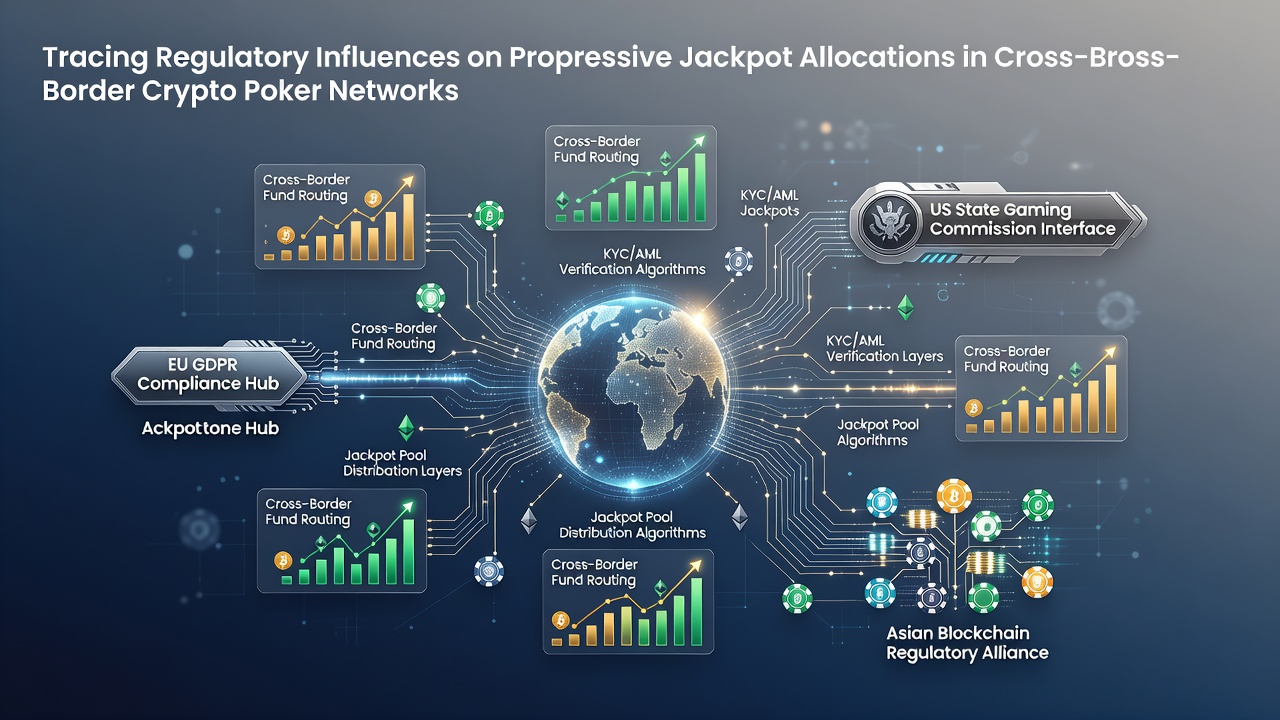
Tracing Regulatory Influences on Progressive Jackpot Allocations in Cross-Border Crypto Poker Networks
Progressive jackpots in crypto poker networks accumulate contributions from multiple players across different platforms, yet cross-border operations introduce layers of regulatory oversight that determine how those funds get collected, pooled, and distributed. Jurisdictions apply distinct rules on anti-money laundering compliance, tax treatment of pooled contributions, and consumer protection standards, all of which shape the allocation formulas operators must follow when networks span multiple countries.
Mapping the Regulatory Landscape for Crypto-Based Jackpots
Operators managing decentralized poker ecosystems encounter varying requirements from financial authorities that directly affect jackpot mechanics. In the European Union, the Markets in Crypto-Assets regulation establishes standards for reserve management and transparency in pooled prize funds, requiring networks to segregate contributions in auditable wallets that comply with custody rules. Data from the European Securities and Markets Authority shows these provisions have prompted platforms to adjust allocation percentages to maintain liquidity buffers against volatility in digital assets.
North American regulators add further constraints through state-level gaming commissions and federal guidelines on virtual currency transactions. Canadian provincial bodies, for instance, mandate that progressive pools undergo periodic audits to verify that player contributions remain protected from operational shortfalls, while U.S. FinCEN rules on money transmission influence how networks handle cross-state transfers of jackpot reserves. These overlapping requirements force operators to implement tiered allocation models that isolate funds according to the jurisdiction where each hand originates.
Allocation Formulas Under Scrutiny
Progressive jackpot systems typically divert a fixed percentage of each pot into a growing prize pool, yet regulatory demands alter both the percentage and the timing of those diversions. Research from academic studies on blockchain gambling indicates that networks subject to multiple licensing regimes often adopt dynamic contribution rates, lowering percentages in jurisdictions with strict reserve mandates while maintaining higher rates elsewhere to balance overall growth. This segmented approach requires sophisticated smart contract logic capable of routing contributions based on player location data verified through know-your-customer processes.
Tax authorities in several regions classify jackpot contributions as taxable events at the point of allocation rather than at payout, prompting networks to accelerate distributions or restructure pooling mechanisms. Observers note that such classifications have led some operators to maintain separate sub-pools for players in high-tax environments, ensuring compliance without disrupting the seamless experience for participants in less restrictive markets.
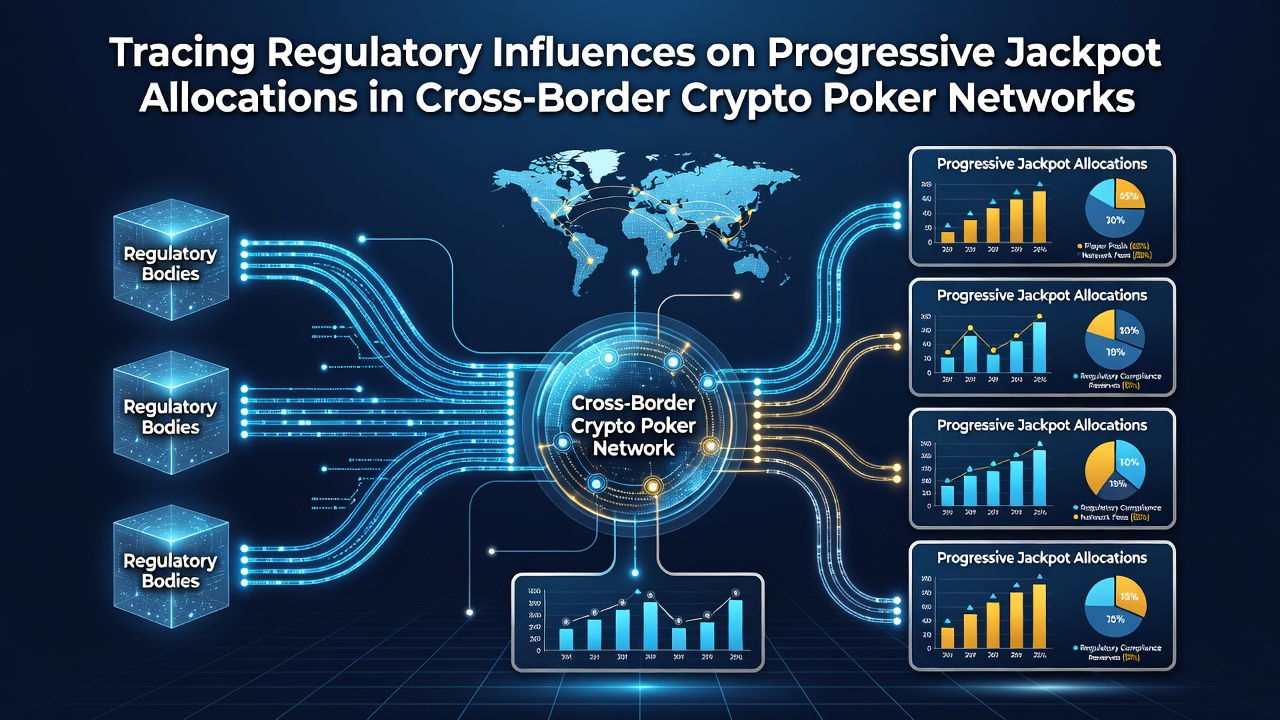
Cross-Border Data Sharing and Compliance Protocols
Effective oversight of progressive allocations depends on secure data exchange between networks and regulators in different countries. As of July 2026, several multi-jurisdictional frameworks require real-time reporting of contribution volumes and payout triggers, compelling operators to integrate API connections that transmit anonymized transaction summaries without exposing individual player identities. These protocols reduce the risk of double-counting contributions while satisfying transparency demands from bodies such as Australia's Transaction Reports and Analysis Centre.
Networks that fail to synchronize reporting across borders face enforcement actions that can freeze portions of jackpot reserves until discrepancies are resolved. Case examples documented in industry analyses reveal that platforms operating under both Asian and South American licenses have adopted blockchain-based audit trails to demonstrate consistent allocation practices, allowing regulators to verify that no jurisdiction's rules are bypassed through routing tricks.
Impact on Player Participation and Network Design
Regulatory variations influence how players interact with progressive features, particularly when networks restrict jackpot eligibility based on licensing status. Participants located in jurisdictions with stringent consumer protection rules may find themselves excluded from certain pools, leading operators to develop geo-fenced contribution systems that automatically adjust eligibility. Evidence from transaction volume studies suggests these adjustments have stabilized participation rates by aligning game access with local compliance standards rather than applying uniform rules across all users.
Smart contract updates frequently incorporate jurisdiction-specific parameters, such as minimum reserve thresholds or maximum single-payout caps, to satisfy diverse regulatory expectations. Those who've examined network architectures note that these modular designs allow operators to activate or deactivate allocation pathways as new licensing agreements emerge, maintaining operational flexibility without compromising the integrity of accumulated prizes.
Conclusion
Regulatory influences continue to redefine how progressive jackpots function within cross-border crypto poker environments by dictating contribution mechanics, reserve management, and reporting obligations. Networks that successfully integrate these requirements maintain player trust while operating across fragmented legal landscapes. Ongoing developments in digital asset regulation will likely introduce further refinements to allocation strategies, ensuring that jackpot systems evolve in step with compliance expectations from authorities worldwide.