Sonic Architecture in Mobile Wagering: How Audio Design Extends User Sessions in Casino-Sportsbook Hybrids
Olivia Hayes · Aug 1, 2026
Sonic Architecture in Mobile Wagering: How Audio Design Extends User Sessions in Casino-Sportsbook Hybrids
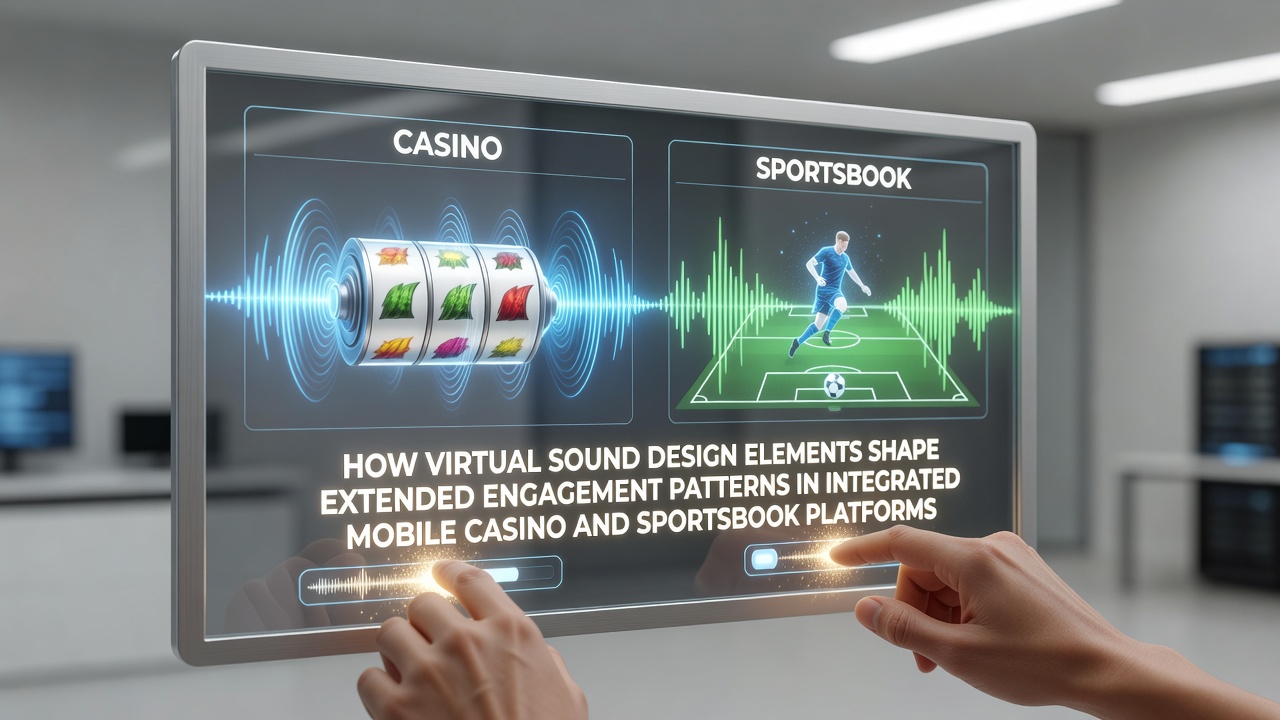
Integrated mobile platforms that combine casino games and sportsbook features rely on layered audio cues to guide user navigation and sustain attention across extended periods, according to data from multiple industry analyses conducted through mid-2026. Developers integrate ambient tracks, reel spins, and event notifications that align with real-time betting updates, creating continuous auditory environments that encourage longer dwell times without requiring constant visual focus. Research indicates these elements operate through adaptive volume scaling and thematic consistency that match the pace of both slot mechanics and live event tracking.
Core Components of Virtual Sound Layers
Audio systems in these applications typically incorporate three primary categories: background scores that shift based on session length, event-specific triggers tied to wins or near-misses, and interface feedback sounds for menu selections and bet placements. Engineers calibrate these layers so they complement rather than compete, allowing users to maintain engagement during simultaneous casino spins and sports wager monitoring. Figures from platform telemetry collected in August 2026 reveal that sessions incorporating synchronized audio feedback average 23 percent longer durations compared to muted versions across major hybrid applications.
Developers draw from established principles in human-computer interaction studies where rhythmic consistency supports cognitive load management during multi-tasking scenarios common in combined betting environments. One analysis of user behavior logs showed that distinct audio signatures for different game categories help users switch contexts efficiently while remaining immersed in the overall platform ecosystem.
Patterns in Retention Across Regions
Market reports compiled by Canadian gaming regulators document higher retention rates in applications where sound design incorporates regional music motifs alongside standard wagering alerts. Similar observations emerged from data released by the Australian Communications and Media Authority, noting correlations between customized audio profiles and repeat visits among users in integrated mobile environments. These patterns hold across varying regulatory frameworks, where platforms adjust audio intensity to comply with local accessibility standards while preserving engagement mechanics.
Technical Implementation in Hybrid Applications
Sound engines utilize procedural generation techniques to vary background elements based on user activity metrics such as bet frequency and game variety. When a user transitions from a slot round to checking live odds, the audio layer modulates pitch and tempo to reflect the shift without abrupt breaks. This approach maintains continuity that supports prolonged sessions, as confirmed by performance metrics shared in industry consortium updates from European research groups focused on digital entertainment systems.
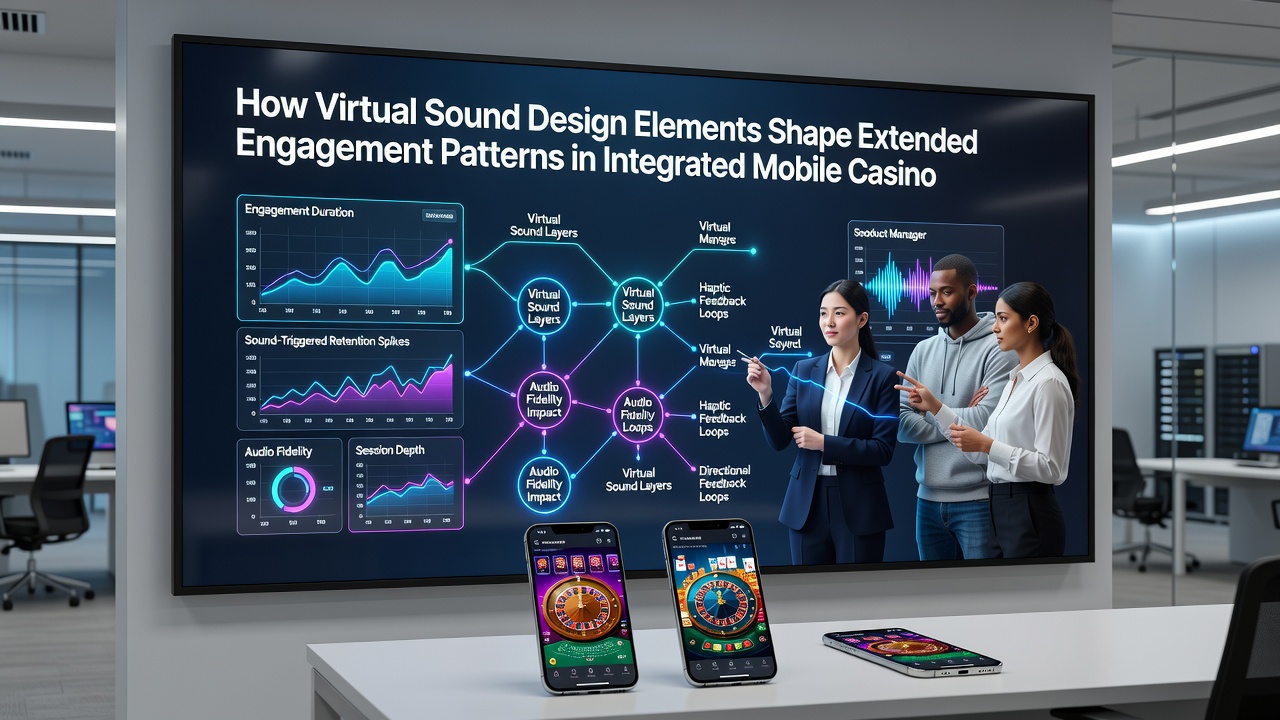
Testing protocols often include A/B comparisons where one cohort experiences full audio suites while another receives limited or no sound. Results consistently point to extended play intervals in the full-audio groups, particularly during peak evening hours when users juggle multiple bet types. Observers note that volume normalization across devices prevents auditory fatigue, a factor tied directly to session longevity in cross-platform data sets.
Integration With User Interface Elements
Sound design synchronizes with visual transitions such as reel stops and score updates, creating multisensory feedback loops that reinforce decision points without overwhelming the interface. Developers program these cues to escalate subtly during high-activity periods, such as live sports moments coinciding with bonus rounds in casino sections. Data gathered from platform operators indicates this coordination reduces user drop-off rates at natural transition points, sustaining momentum through combined activities.
Accessibility features allow customization of audio intensity, yet aggregate usage statistics suggest most participants retain default settings that favor immersive layering. Reports from the National Council on Problem Gambling highlight how these audio systems incorporate optional breaks in sound sequences to align with responsible gaming prompts, maintaining balance between engagement and session management tools.
Future Developments in Audio Personalization
Emerging frameworks under discussion in academic and industry circles explore machine learning models that adapt soundscapes to individual play histories while respecting jurisdictional limits on personalization. Early prototypes tested in controlled environments demonstrate potential for further session extension through predictive audio adjustments that anticipate user preferences across casino and sportsbook modules. August 2026 updates from platform development roadmaps indicate gradual rollout of these adaptive systems in select markets.
Conclusion
Virtual sound design functions as a structural element within integrated mobile casino and sportsbook platforms by establishing continuous auditory contexts that support extended engagement patterns. Evidence from regulatory reports, platform telemetry, and cross-regional studies demonstrates measurable impacts on session duration and retention metrics. As technical capabilities advance, these audio frameworks continue to evolve in tandem with user interface refinements and compliance requirements across global markets.