Navigation Patterns Shape Dynamic Bonus Adjustments in Casino-Sportsbook Hybrid Platforms
Carlo Coleman · Aug 25, 2026
Navigation Patterns Shape Dynamic Bonus Adjustments in Casino-Sportsbook Hybrid Platforms
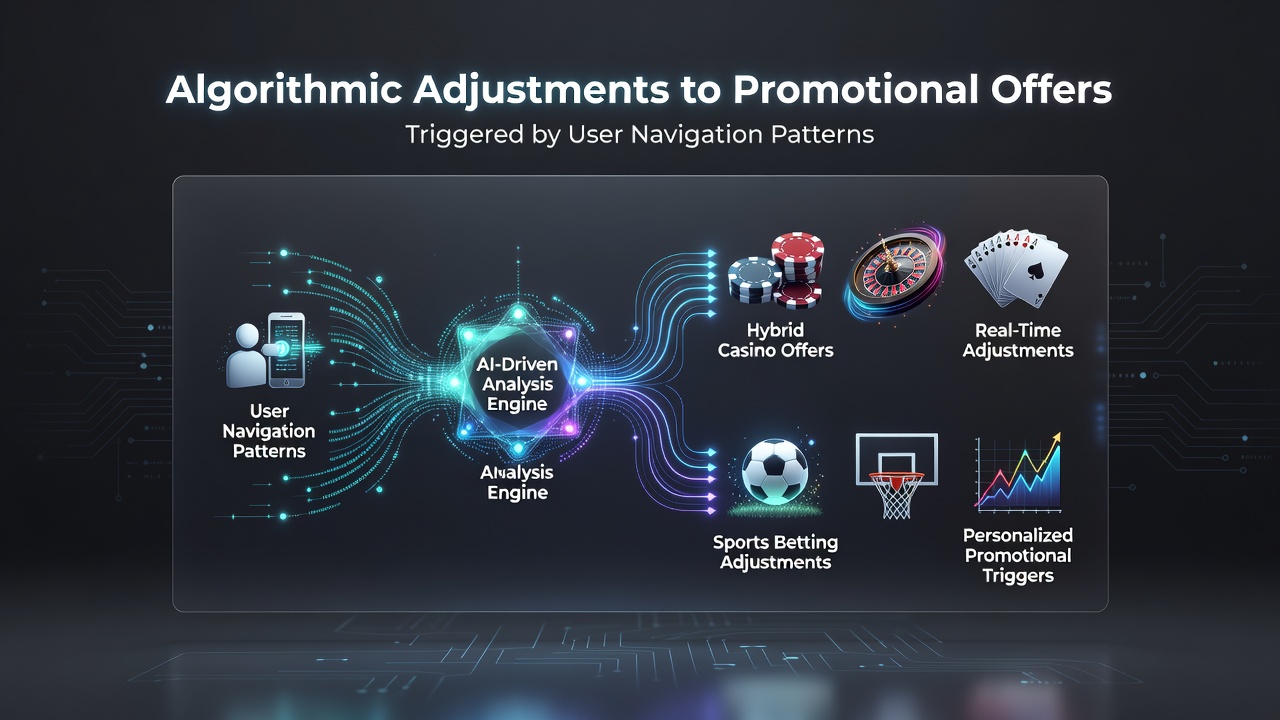
Hybrid applications that combine casino games with sports betting rely on algorithms to monitor how users move through different sections of the platform. These systems track sequences such as repeated visits to slot lobbies followed by quick switches to live event odds, and they use that information to modify the timing and value of promotional offers presented to each account. Data collection begins the moment a session starts. Software records dwell times on specific game categories, click paths between deposit screens and rule pages, and the order in which users explore bonus terms. Engineers then feed these logs into models that compare current behavior against historical clusters of similar navigation sequences. When a pattern matches a predefined profile, the system triggers an automated change to an active offer, such as converting a standard deposit match into a set of free spins or adjusting the wagering requirement attached to a sports bonus. In August 2026 several platform operators reported incremental updates to these models after reviewing aggregated session data collected during the preceding quarter. The changes focused on reducing latency between the detection of a navigation shift and the delivery of a revised promotion, allowing offers to appear while users remained in the relevant section of the app.Core Components of the Adjustment Process
Three technical layers operate in sequence. First, event listeners capture granular actions including scroll depth within game lists, hover duration over odds displays, and transitions from practice mode to real-money play. Second, a classification engine assigns the current session to one of several behavioral cohorts based on similarity scores. Third, a rules engine selects and applies the appropriate promotional variant from a library of pre-approved offers that already comply with jurisdictional requirements.
Operators maintain separate rule sets for each regulated market. In jurisdictions overseen by the Nevada Gaming Control Board, for example, any adjustment must preserve the original offer’s stated odds of winning and must log the change for audit purposes. Similar record-keeping obligations exist under the Malta Gaming Authority framework, which requires operators to demonstrate that algorithmic modifications do not create unfair advantages for particular user segments.
Examples of Pattern-to-Offer Mapping
Consider a user who spends the first four minutes examining roulette variants, then navigates directly to a soccer match with live betting markets open. The model may interpret this sequence as interest in table-game mechanics combined with real-time decision making. In response the system can replace a pending free-spin reward with an equivalent-value cash credit that applies to the live bet, keeping the promotional value constant while aligning the format with observed navigation.
Another sequence involves repeated returns to the same video poker title followed by visits to the account history page. The algorithm may increase the frequency of small, low-wagering cashback offers rather than larger but more restrictive bonuses, because historical data for that cohort shows higher redemption rates when offers require minimal additional play.
Regulatory and Technical Safeguards
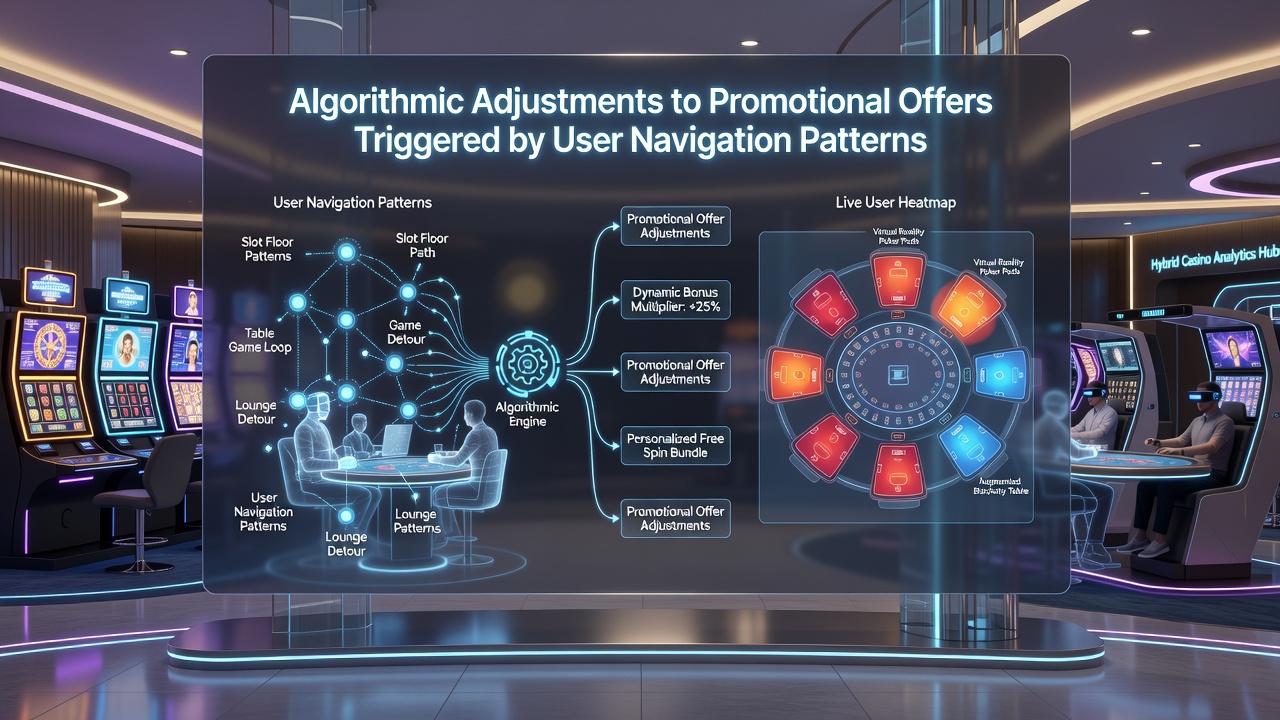
Platform providers integrate audit trails that timestamp every offer modification and link it to the specific navigation events that triggered the change. Regulators in multiple regions require these logs to be retained for a minimum period and made available during compliance reviews. The National Center for Responsible Gaming has published guidance documents that recommend additional flags when rapid offer changes coincide with extended session lengths, prompting operators to surface responsible-gaming messages alongside the revised promotion.
Technical teams also test for unintended clustering effects. If a large group of users follows nearly identical navigation paths, the system may temporarily pause automated adjustments for that cohort until manual review confirms the offers remain within approved parameters. This safeguard prevents mass application of a single promotional variant that could exceed daily liability limits set by the operator’s risk department.
Integration with Existing Loyalty Structures
Many hybrid platforms maintain tiered loyalty programs that award points based on total handle across both casino and sports products. Algorithmic promo adjustments operate alongside these programs by selecting which reward currency, points or direct credits, appears most relevant to the detected navigation pattern. The choice remains within the boundaries of each user’s current tier benefits, preserving the integrity of the overall rewards architecture.
Conclusion
Algorithmic systems that link navigation sequences to promotional variants continue to evolve as operators refine the underlying models and regulators clarify documentation standards. The process remains anchored in logged user actions, pre-approved offer libraries, and jurisdiction-specific compliance rules, producing adjustments that reflect observed behavior without altering the fundamental terms disclosed to players.