Navigating Compliance Hurdles in Multi-Jurisdictional Digital Wagering Networks
Carlo Coleman · May 23, 2026
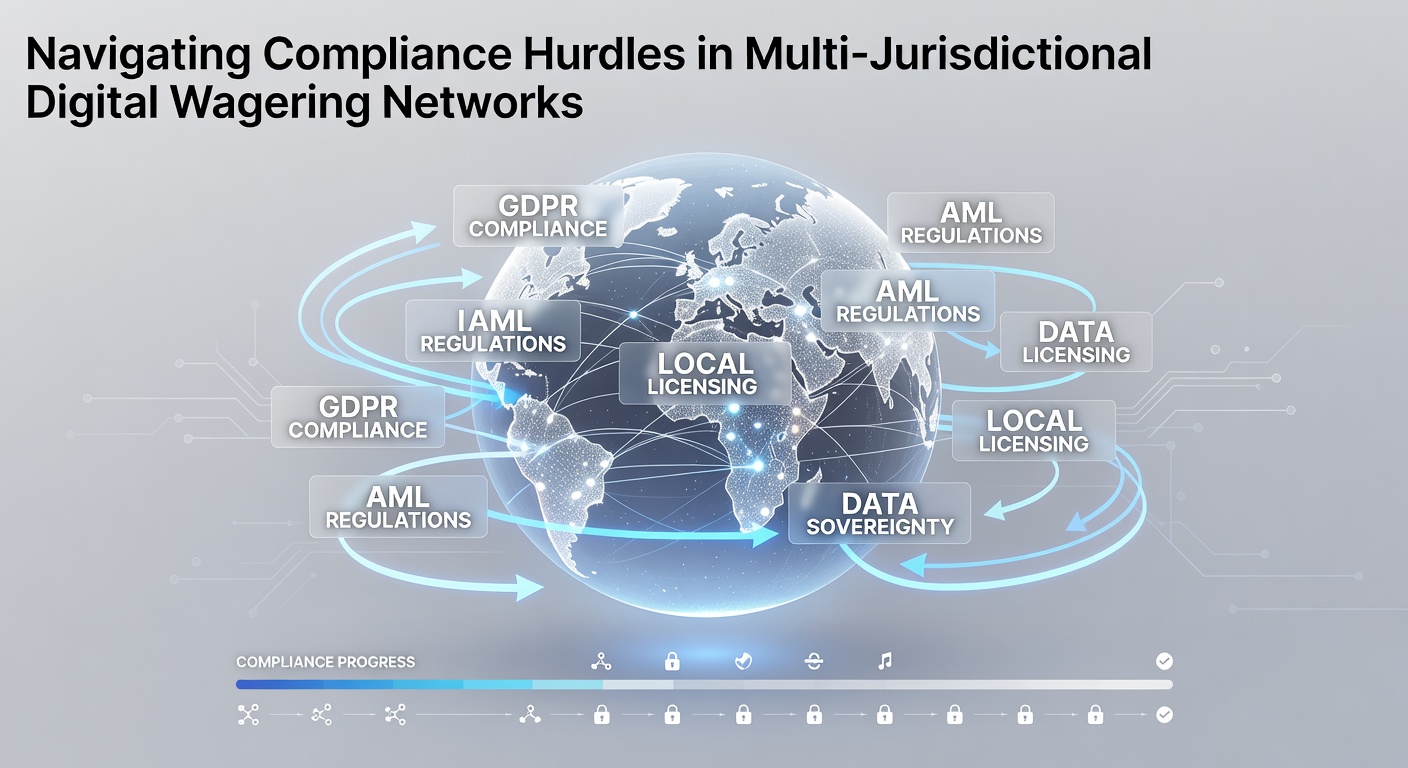
Navigating Compliance Hurdles in Multi-Jurisdictional Digital Wagering Networks
Operators in digital wagering face intricate regulatory requirements when their platforms span multiple countries and regions, since each jurisdiction maintains its own licensing standards, tax obligations, and consumer protection rules that rarely align perfectly with one another. Companies must coordinate simultaneous adherence to frameworks that cover anti-money laundering protocols, age verification systems, and data handling practices while processing transactions across borders where laws shift frequently. This environment creates ongoing administrative demands that require specialized legal teams and adaptive software to track changes in real time.
Divergent Licensing and Operational Standards
Each territory sets distinct criteria for obtaining and maintaining a license, which forces network operators to apply separately in every market they serve rather than relying on a single approval that travels across regions. Some areas demand local servers and physical presence requirements while others accept remote operations provided certain reporting thresholds are met, and these differences multiply when platforms expand into new countries with their own language and currency mandates. Observers note that coordination between these licensing bodies remains limited, which leads operators to develop internal compliance dashboards that flag upcoming renewals and audit triggers automatically.
Research from the Alcohol and Gaming Commission of Ontario shows how provincial rules interact with federal expectations in Canada, creating layered obligations that digital networks must satisfy simultaneously. Similar patterns appear in Asia where Singapore's regulatory approach emphasizes strict financial controls that differ from neighboring markets, and operators who expand regionally discover that one successful license application does not guarantee approval elsewhere even when technical standards overlap.
Anti-Money Laundering and Verification Protocols
Multi-jurisdictional networks must implement customer due diligence procedures that satisfy the strictest rules among all active markets, which often means applying enhanced verification steps universally rather than tailoring them by location. Transaction monitoring systems track patterns across borders to detect structuring or layering attempts, and these tools integrate with watchlists maintained by different governments that update on separate schedules. When discrepancies arise between reporting formats required by one authority versus another, operators face delays in submitting required filings that can trigger penalties or temporary service restrictions.
Payment Processing and Data Privacy Overlaps
Financial transactions in digital wagering cross regulatory boundaries where banking rules intersect with gambling-specific restrictions, and operators navigate this by partnering with processors who hold multiple licenses themselves. Data privacy laws add another dimension since some regions require data localization while others permit transfers under strict contractual safeguards, which means networks segment user information according to the strictest applicable standard. In May 2026 several jurisdictions updated their cross-border data transfer guidelines, prompting operators to revise their storage architectures and encryption methods to maintain uninterrupted service.

Take one network that expanded from European markets into Australian states, where experts discovered that reconciling GDPR-style consent requirements with local privacy codes required new consent management interfaces that updated user preferences in real time across all active accounts. Those who've studied these transitions know that such technical adjustments often precede broader operational changes because the underlying data flows affect every subsequent compliance check.
Tax Reporting and Revenue Allocation
Digital wagering platforms generate revenue streams that multiple governments claim through different taxation models, ranging from point-of-consumption levies to operator-level fees calculated on gross gaming revenue. Accurate allocation demands granular tracking of player locations and bet types, which compliance teams verify through geolocation services and periodic audits. When tax authorities in separate jurisdictions request overlapping records, operators must prepare unified datasets that satisfy each request without violating confidentiality rules in other regions.
Figures from industry reports compiled by the International Association of Gaming Regulators indicate rising coordination between tax bodies, yet operators still maintain separate accounting ledgers to accommodate varying fiscal year definitions and currency conversion rules. This setup creates administrative overhead that scales with each new market entered, and networks respond by automating portions of the reporting pipeline while retaining human oversight for edge cases.
Technological Adaptations and Audit Readiness
Many operators deploy centralized compliance engines that aggregate rule sets from every jurisdiction and apply them dynamically based on user location and transaction type. These systems flag potential violations before they occur, which reduces the volume of manual reviews required during periodic audits. Yet the underlying code must receive frequent updates when regulators revise technical standards or introduce new reporting fields, and testing these changes across simulated multi-jurisdictional environments adds development cycles that smaller teams struggle to absorb.
One study revealed that networks investing in modular architecture could isolate jurisdiction-specific modules and update them independently, which shortened response times when a single authority altered its requirements. Those adaptations demonstrate how infrastructure choices directly influence a network's ability to remain compliant as regulatory landscapes evolve.
Conclusion
Multi-jurisdictional digital wagering networks continue to refine their compliance structures in response to shifting regulatory expectations across borders. Coordinated licensing efforts, unified monitoring tools, and adaptive data handling practices enable operators to meet obligations without fragmenting their service offerings. As authorities refine their approaches through 2026 and beyond, these networks rely on integrated systems and specialized expertise to sustain operations while satisfying the distinct mandates of each market they serve.