Loyalty Program Innovations Fueling Retention Strategies in Multi-Vertical Online Gambling Networks
Olivia Hayes · Jul 28, 2026

Loyalty Program Innovations Fueling Retention Strategies in Multi-Vertical Online Gambling Networks
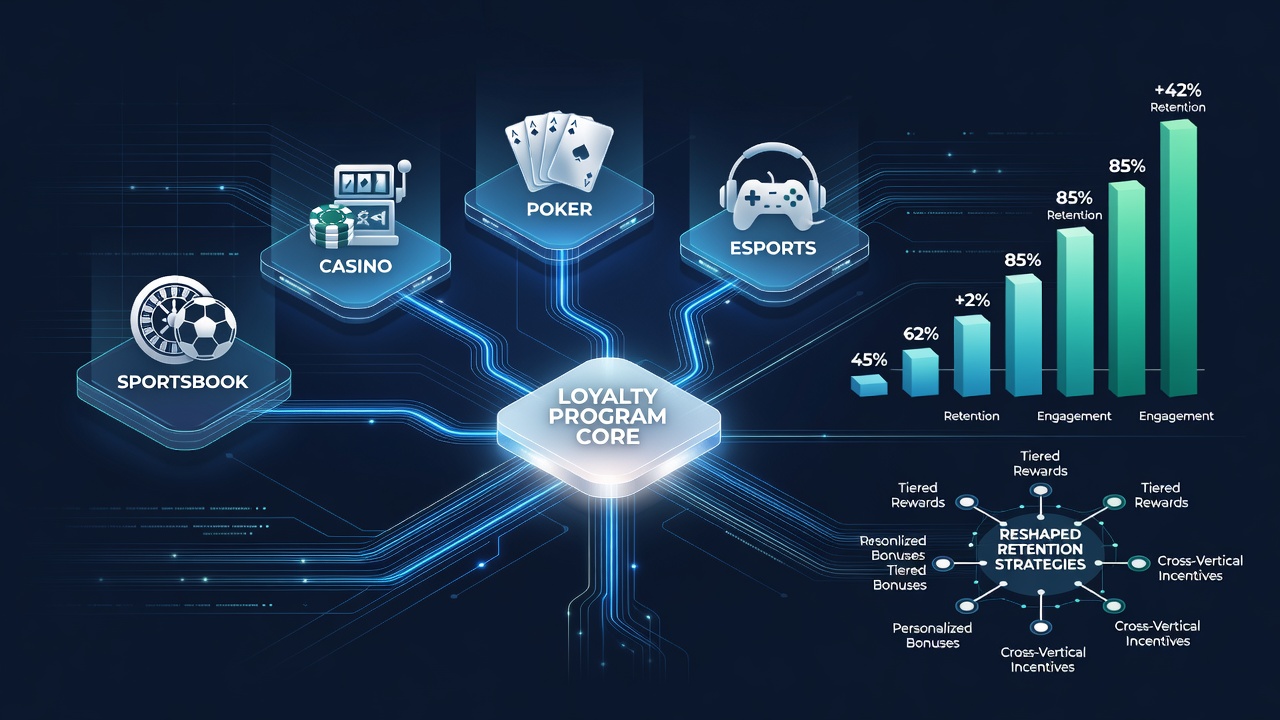
Operators in multi-vertical online gambling networks now integrate loyalty mechanics that span slots, sportsbooks, poker rooms, and live dealer tables, and these systems accumulate points from every vertical to create unified reward paths that extend player sessions across product lines. Research indicates that cross-vertical point earning increases session frequency because participants track progress toward tier upgrades or bonus unlocks that apply to multiple game types at once.
Platforms collect behavioral data from deposits, wagers, and game choices, then feed those inputs into algorithms that adjust reward offers in real time. Figures from July 2026 show networks using such dynamic systems report retention lifts of 12 to 18 percent compared with static point programs that treat each vertical separately. Those gains appear because the algorithms surface personalized incentives that match individual play patterns rather than generic bonuses applied uniformly.
Cross-Vertical Point Accumulation Models
Modern loyalty structures assign point values based on wager volume and game category, yet they allow seamless conversion so that points earned on sports bets can unlock free spins on slots or tournament entries in poker. Operators observe that this flexibility reduces churn because players maintain engagement even when interest in one vertical dips. Data from integrated platforms reveals average monthly active users rise when point balances remain visible across all product interfaces.
One analysis of North American operators found that networks offering tiered status levels tied to total network activity retain players 22 percent longer than those limiting rewards to single-game categories. The same study noted that higher tiers grant benefits such as faster withdrawal processing or dedicated account management, incentives that apply network-wide and therefore encourage continued multi-vertical participation.
Personalization Through Behavioral Analytics
Retention teams deploy machine learning models that segment users by lifetime value, preferred verticals, and response rates to past offers. These models trigger targeted communications that reference recent activity in one product while suggesting rewards redeemable in another. Observers note that such targeted nudges produce higher open and conversion rates than broad email blasts sent to entire player bases.
European operators running similar systems report that players who receive offers linked to their secondary verticals increase total handle by 15 percent on average. The pattern holds because the offers feel relevant rather than intrusive, and the underlying data sets draw from combined transaction histories across slots, sports, and table games. Regulatory filings from Canadian provincial bodies further indicate that transparent point tracking correlates with lower complaint volumes about unredeemed rewards.
Integration With Payment and Verification Flows
Networks that embed loyalty status into deposit and withdrawal processes create additional touchpoints that reinforce retention. Players with elevated tiers receive fee waivers or priority processing, benefits that activate automatically once point thresholds are met. This automation reduces friction and keeps active accounts engaged without requiring separate loyalty portals.
Industry reports compiled by research groups in Australia document that seamless integration between loyalty balances and payment rails shortens the time from reward notification to redemption. Shorter intervals translate into more frequent return visits because players do not wait days to access benefits earned through prior activity.
Regulatory Considerations Across Jurisdictions
Multi-jurisdictional operators must align loyalty mechanics with varying responsible gambling rules that govern bonus advertising and player communication. Jurisdictions in the European Union require clear disclosure of point expiration and redemption conditions, while certain Australian states mandate opt-in consent before personalized offers reach players. Compliance teams therefore build modular systems that adjust messaging and reward visibility according to each market's statutes.
Those adjustments preserve retention gains without triggering regulatory penalties because the core point accumulation logic remains consistent while surface-level presentation adapts. Records from licensing hearings show that networks demonstrating such adaptability secure renewals more readily than those relying on uniform global templates.
Conclusion
Operators continue refining loyalty frameworks to match the complexity of multi-vertical player journeys, and the resulting retention improvements stem directly from unified point systems, real-time personalization, and friction-reducing integrations. Data collected through July 2026 confirms measurable lifts in session frequency and lifetime value when these elements operate together. Networks that maintain compliance across regions while delivering consistent cross-vertical value position themselves to sustain those gains as market structures evolve.