How Regulatory Variations Influence Cryptocurrency Adoption in Mobile Gaming Platforms
Erik Werner · Aug 22, 2026
How Regulatory Variations Influence Cryptocurrency Adoption in Mobile Gaming Platforms
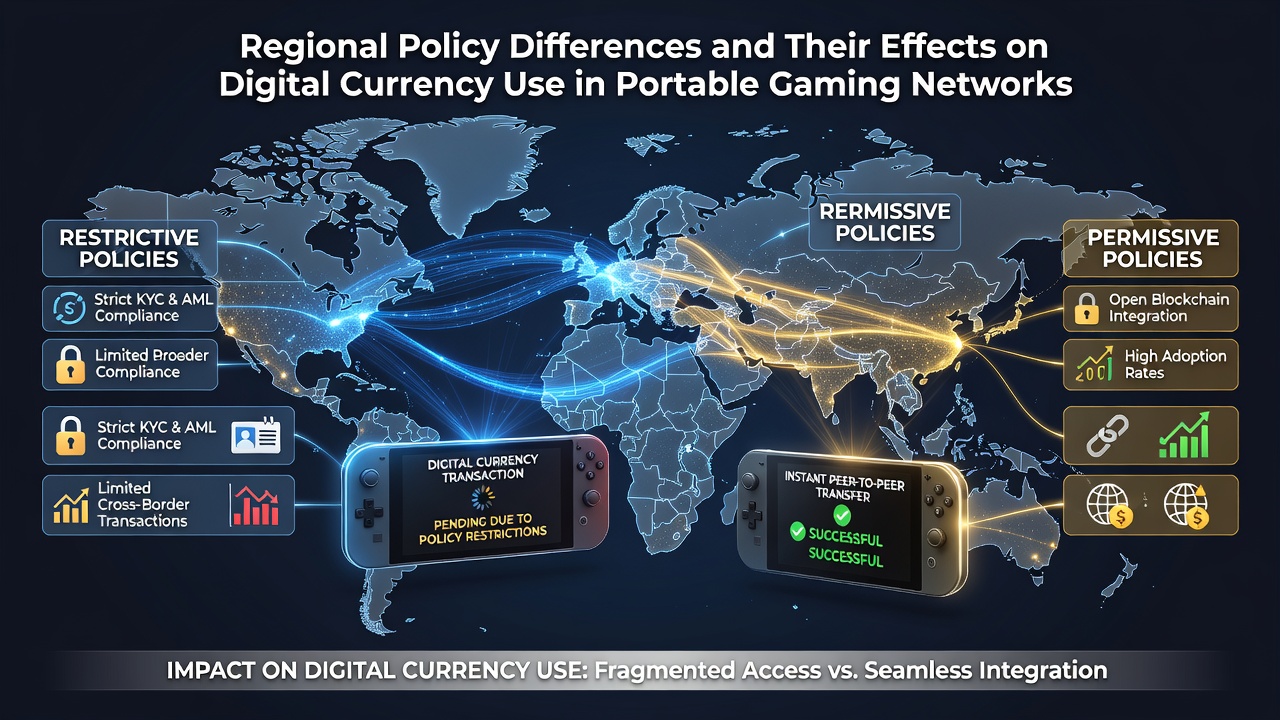
Regional policy differences create distinct environments for digital currency integration within portable gaming networks, where mobile applications handle transactions through blockchain-based assets. Data released in August 2026 from industry tracking services shows adoption rates varying sharply between jurisdictions that permit crypto payments and those enforcing strict fiat-only rules. Observers note that these frameworks determine whether developers can embed wallet functions directly into apps or must route all activity through licensed intermediaries.
North American Regulatory Patterns
State-level approaches in the United States produce a patchwork where certain regions authorize digital asset use in gaming apps while neighboring areas maintain prohibitions. Figures from the National Council of Legislatures reveal that nine states had enacted provisions allowing cryptocurrency in mobile platforms by mid-2026, yet enforcement timelines differ and create compliance layers for operators serving cross-border users. Canadian provinces follow a more centralized model under provincial gaming authorities, with Ontario permitting licensed platforms to accept stablecoins in portable environments since 2023 updates took effect. Researchers at the University of Toronto documented higher transaction volumes in provinces with explicit guidelines compared to those relying on general financial services statutes.
European and Asian Divergences
European Union member states implement the Markets in Crypto-Assets regulation alongside national gaming rules, which produces uneven access for portable networks that incorporate digital currencies. Malta and Estonia maintain frameworks that facilitate crypto integration in mobile titles, whereas Germany and France impose additional licensing hurdles that slow deployment. In Asia, Singapore's Monetary Authority provides clear licensing pathways for blockchain-enabled gaming applications, while Japan requires separate approvals from both financial and entertainment regulators. Australian state commissions coordinate through the National Framework for Consumer Protection, yet variations persist in how each jurisdiction treats virtual asset transfers within gaming apps. A report from the Australian Institute of Criminology links these policy splits to measurable differences in user retention metrics tracked through app analytics.
Effects on Transaction Infrastructure and User Access
Policy distinctions directly affect the technical architecture developers must build for portable gaming networks. Jurisdictions with supportive rules allow seamless integration of non-custodial wallets, reducing latency in peer-to-peer transfers during gameplay sessions. Restrictive environments force reliance on third-party processors that add verification steps and increase processing times. Data from network monitoring firms indicates session lengths extend when policies support direct crypto functionality, because users avoid repeated compliance checks. One study conducted across multiple app stores found that regions permitting stablecoin settlements recorded 28 percent higher daily active user counts in crypto-enabled titles compared to matched markets without such permissions.
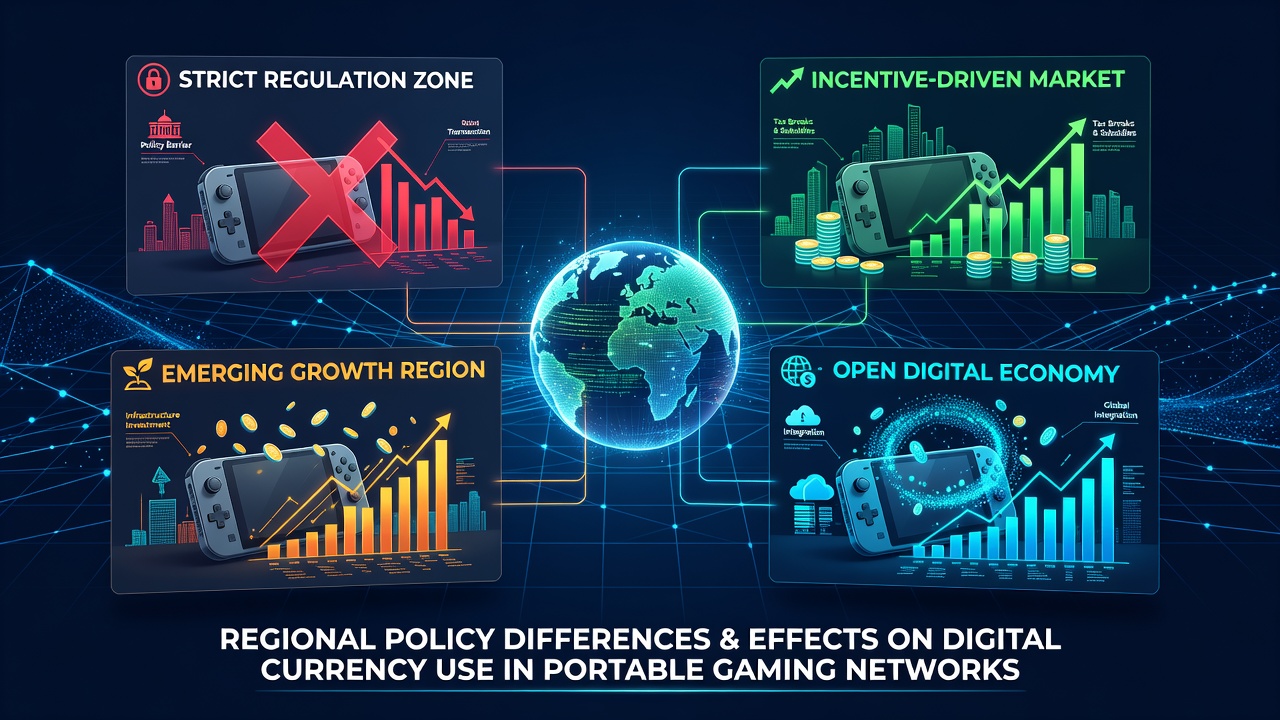
Tax treatment further shapes adoption patterns, since some governments classify gaming-related crypto gains as capital events while others treat them as ordinary income. These classifications influence whether developers include automated reporting tools within applications or leave compliance to individual users. Observers tracking August 2026 filings note that platforms operating under unified tax reporting mandates experience fewer account suspensions triggered by mismatched declarations.
Security Standards and Cross-Border Challenges
Regulatory differences extend to security requirements that portable networks must satisfy when handling digital currencies. Jurisdictions emphasizing consumer protection mandate multi-signature protocols and third-party audits, which raise development costs but reduce reported incidents of unauthorized access. Regions with lighter oversight permit faster rollouts yet encounter higher rates of dispute resolution cases according to records maintained by international arbitration bodies. Cross-border play introduces additional complexity because a user in one policy zone may connect to servers hosted under another set of rules, triggering questions about which authority holds jurisdiction over transaction disputes.
Industry associations such as the European Gaming and Betting Association have compiled comparative tables showing how these layered requirements affect time-to-market for new mobile titles. Developers frequently maintain separate code branches to accommodate varying wallet verification standards, which fragments update cycles and increases maintenance overhead.
Conclusion
Regional policy variations continue to determine the pace and scope of digital currency incorporation into portable gaming networks as of August 2026. Jurisdictions that establish clear licensing and tax pathways enable broader technical integration, while fragmented or restrictive environments channel activity toward compliant intermediaries or limit functionality altogether. These differences manifest in measurable metrics including transaction volumes, user retention, and infrastructure complexity tracked across app ecosystems. Ongoing regulatory updates in multiple regions suggest the landscape will keep evolving as authorities refine approaches to blockchain assets within mobile entertainment platforms.