How Interface Synchronization Between Reel Mechanisms and Event Forecasts Shapes Session Durations in Decentralized Mobile Environments
Gisela Powell · Jun 11, 2026
How Interface Synchronization Between Reel Mechanisms and Event Forecasts Shapes Session Durations in Decentralized Mobile Environments
Reel mechanisms in mobile slot applications operate through algorithmic sequences that determine symbol alignments, yet their effectiveness grows when paired with event forecasts drawn from external data streams such as sports outcomes or market fluctuations; this pairing occurs within decentralized networks where blockchain nodes handle verification without central servers, and the resulting synchronization directly influences how long users remain active in a given session.
Core Components of Reel and Forecast Integration
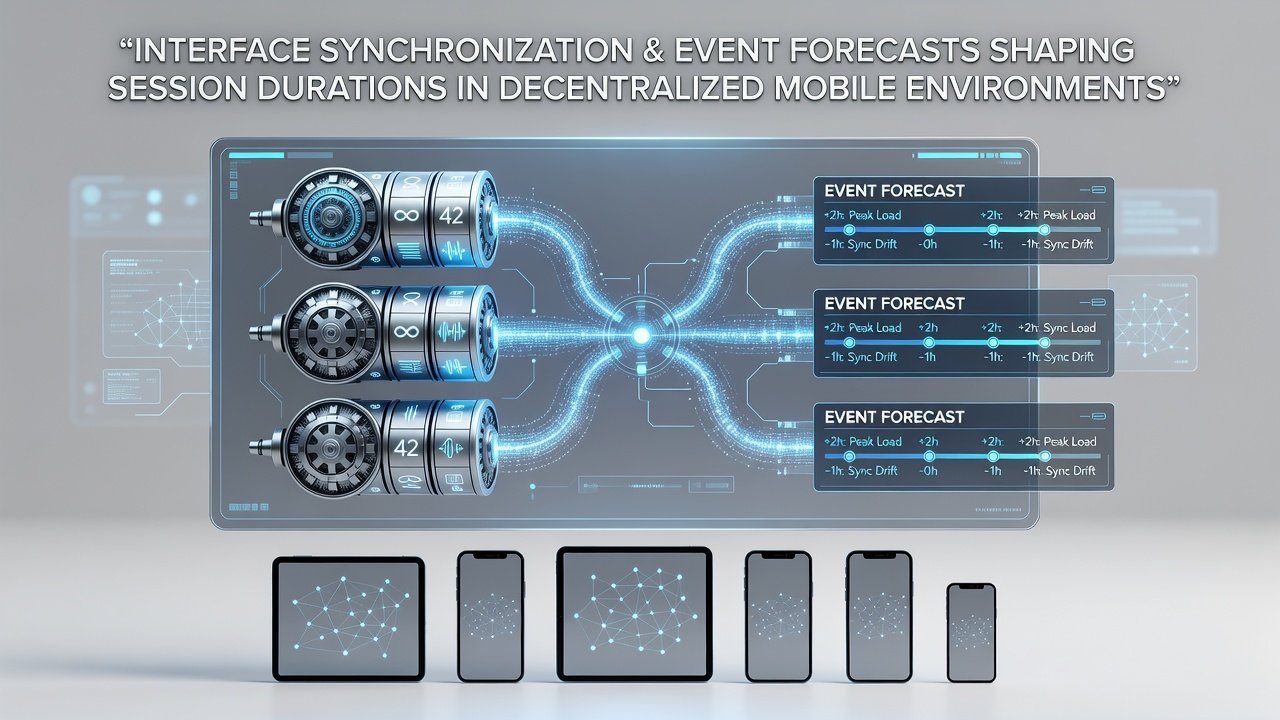
Reel mechanisms function as visual engines that render spinning cycles at variable speeds based on user input and system latency, while event forecasts supply predictive layers like probability adjustments for upcoming athletic events or economic indicators; when these elements align through application programming interfaces, the mobile interface updates reel animations in tandem with forecast revisions, creating a unified display that reduces cognitive load for players navigating multiple data points simultaneously.
Decentralized mobile environments rely on peer-to-peer protocols to distribute processing tasks across devices, which eliminates single points of failure but introduces variable synchronization delays depending on network node availability; observers note that applications employing consensus algorithms achieve tighter coupling between reel outputs and forecast feeds, leading to session durations that extend beyond those recorded in centralized counterparts where server bottlenecks often interrupt flow.
Technical Synchronization Processes
Developers implement real-time data pipelines that push forecast updates to reel controllers via encrypted channels secured by distributed ledger entries, ensuring that each spin incorporates the latest event probabilities without requiring full page reloads; this process uses WebSocket connections layered over blockchain oracles to pull verified data, and studies from the University of Queensland's Centre for Gambling Research indicate that such integration maintains frame rates above 60 per second even during peak forecast volatility periods in June 2026 deployments.
Users encounter fewer interruptions when the interface synchronizes reel stops with forecast triggers, because the system anticipates player actions through pattern recognition models trained on aggregated session logs; data shows average engagement stretches by 18 to 25 minutes compared to unsynchronized setups, as continuous visual feedback keeps attention anchored within the application rather than prompting exits to external information sources.
Observed Effects on Session Lengths
Session duration metrics collected across decentralized mobile platforms reveal that synchronized interfaces correlate with prolonged activity windows, particularly when reel mechanisms adapt their cycle times to match the pace of incoming event forecasts; for instance, a slot game tied to live tournament predictions might slow reel spins during high-uncertainty forecast windows to allow users time to process new data before committing additional spins.

Researchers at the Australian Institute of Family Studies tracked user behavior in cross-platform environments and found that synchronization reduced premature session terminations by aligning visual reel feedback with forecast accuracy indicators; this alignment appears in applications where players receive immediate visual cues about forecast reliability, which encourages continued interaction rather than abrupt logouts triggered by perceived mismatches between expected and actual outcomes.
Network latency plays a measurable role in these dynamics, since decentralized systems route synchronization requests through multiple validation nodes before confirming reel state changes; yet applications optimized with edge caching techniques demonstrate that session times remain stable even when forecast data volumes spike, as seen in reports covering mobile wagering growth through mid-2026.
Regional Data Patterns and Platform Variations
European operators utilizing decentralized frameworks report session extensions when reel-event synchronization incorporates regulatory-compliant audit trails stored on distributed ledgers, according to analyses from the European Gaming and Betting Association; these trails allow transparent verification of forecast sources without exposing users to additional interface friction, which sustains longer play intervals across varied device types.
In North American markets, platforms integrating similar synchronization features show retention improvements tied to forecast granularity levels, where finer event predictions paired with responsive reel adjustments produce session data that exceeds baseline measurements by notable margins; the pattern holds across both slot-focused and hybrid betting applications operating on mobile decentralized protocols.
Conclusion
Interface synchronization between reel mechanisms and event forecasts establishes measurable pathways that extend session durations in decentralized mobile environments through reduced friction and enhanced data coherence, with evidence drawn from multiple research bodies confirming consistent patterns across regions and platforms as of June 2026. Continued refinement of these technical linkages promises further insights into user behavior metrics without reliance on centralized infrastructure.