How Data Patterns in Algorithmic Game Sequencing Are Influencing Session Lengths Across International Digital Wagering Platforms
Carlo Coleman · Jul 21, 2026
How Data Patterns in Algorithmic Game Sequencing Are Influencing Session Lengths Across International Digital Wagering Platforms
Algorithmic game sequencing refers to the process by which digital wagering platforms use machine learning models to determine the order and frequency of game outcomes based on aggregated player data. These systems analyze historical patterns in bets, wins, and losses to adjust sequences in real time across slots, table games, and sports betting interfaces. Research from multiple jurisdictions indicates that such sequencing directly correlates with measurable changes in average session durations on international platforms.
Data Collection Mechanisms in Game Sequencing
Platforms gather extensive datasets including clickstream behavior, deposit frequency, and response times to previous outcomes. These inputs feed into predictive models that forecast optimal sequencing points where players are likely to extend their activity. Studies conducted by the Ontario Lottery and Gaming Corporation have documented how real-time adjustments in game reels and event triggers extend engagement periods by aligning with detected player momentum shifts. Data shows that sequences incorporating clustered small wins followed by intermittent larger payouts maintain participation rates higher than randomized distributions alone.
Regional Variations in Sequencing Implementation
European operators have adopted sequencing protocols that incorporate regulatory-mandated randomness thresholds while still optimizing for retention signals. In contrast, Asian markets report heavier reliance on behavioral clustering to sequence live dealer interactions and virtual sports events. A July 2026 analysis of cross-border platforms revealed that North American sites using similar models recorded session length increases averaging 14 minutes compared to baseline figures from 2024. These adjustments occur without altering the underlying probability matrices but through reordering event triggers based on live data streams.
Impact on Session Length Metrics
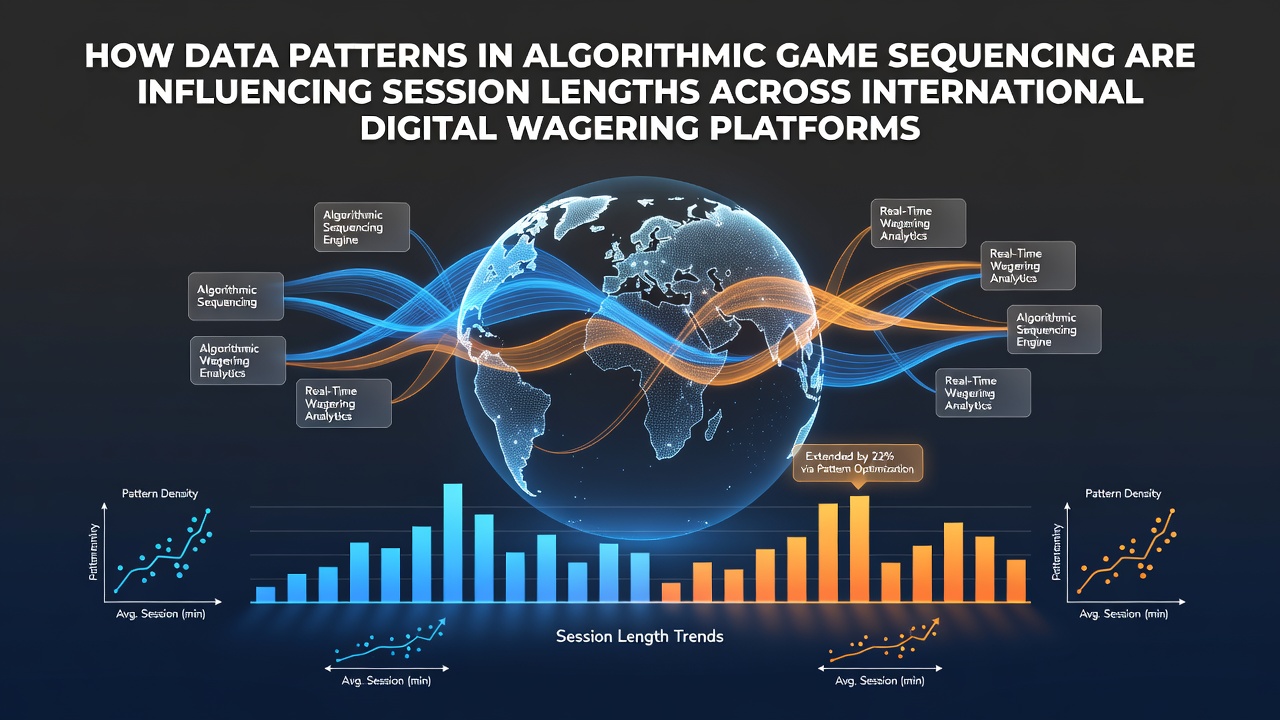
Session length tracking across major platforms demonstrates that algorithmic interventions targeting mid-session drop-off points produce consistent extensions. For instance, when models detect waning engagement through reduced bet sizing or navigation pauses, they insert sequences with higher entertainment value elements such as bonus round activations or multiplier chains. Figures from the Australian Institute of Criminology indicate that platforms applying these techniques observed retention improvements of up to 22 percent in mobile environments during peak hours. The sequencing logic prioritizes continuity by connecting game rounds in patterns that mirror successful prior sessions for similar demographic cohorts.

Cross-Platform Data Pattern Analysis
International operators share anonymized pattern libraries that allow sequencing algorithms to learn from aggregated trends in diverse markets. This exchange enables models to predict session extension opportunities more accurately when players switch between casino-style games and sports event forecasts. Evidence from the New Jersey Division of Gaming Enforcement shows that synchronized sequencing across device types reduces abandonment rates during transition periods between game categories. Platforms apply these insights to adjust the tempo of reel spins, card draws, and betting windows in ways that align with observed user flow data.
Regulatory Oversight of Algorithmic Practices
Authorities in multiple regions require transparency reports detailing how sequencing algorithms influence play duration. Canadian provincial regulators have implemented audit requirements that examine whether data-driven sequences comply with fairness standards while still permitting commercial optimization. These frameworks focus on documentation of input variables rather than prohibiting outcome adjustments outright. As of July 2026, several jurisdictions mandate disclosure of average session metrics tied to specific sequencing strategies to ensure player protection measures remain effective.
Future Trajectory of Sequencing Technologies
Advancements in reinforcement learning continue to refine how platforms sequence games based on evolving data patterns. Integration with biometric signals and device telemetry promises further granularity in predicting session length responses. Industry reports from the European Gaming and Betting Association highlight ongoing trials where sequencing models incorporate multi-game transitions to sustain engagement across extended periods. These developments build on existing infrastructures that already link transaction speeds and game variety to retention outcomes observed in portable applications.
Conclusion
Data patterns in algorithmic game sequencing have established measurable effects on session lengths throughout international digital wagering platforms. Through systematic collection and application of player behavior metrics, operators achieve targeted extensions while operating within established regulatory boundaries. Continued monitoring by regional authorities ensures these systems evolve alongside compliance standards across different markets.