How Blockchain Verification Protocols Are Reshaping Fairness Standards in Cross-Platform Slot Mechanics and Live Table Interactions
Casey Friedrich · May 21, 2026
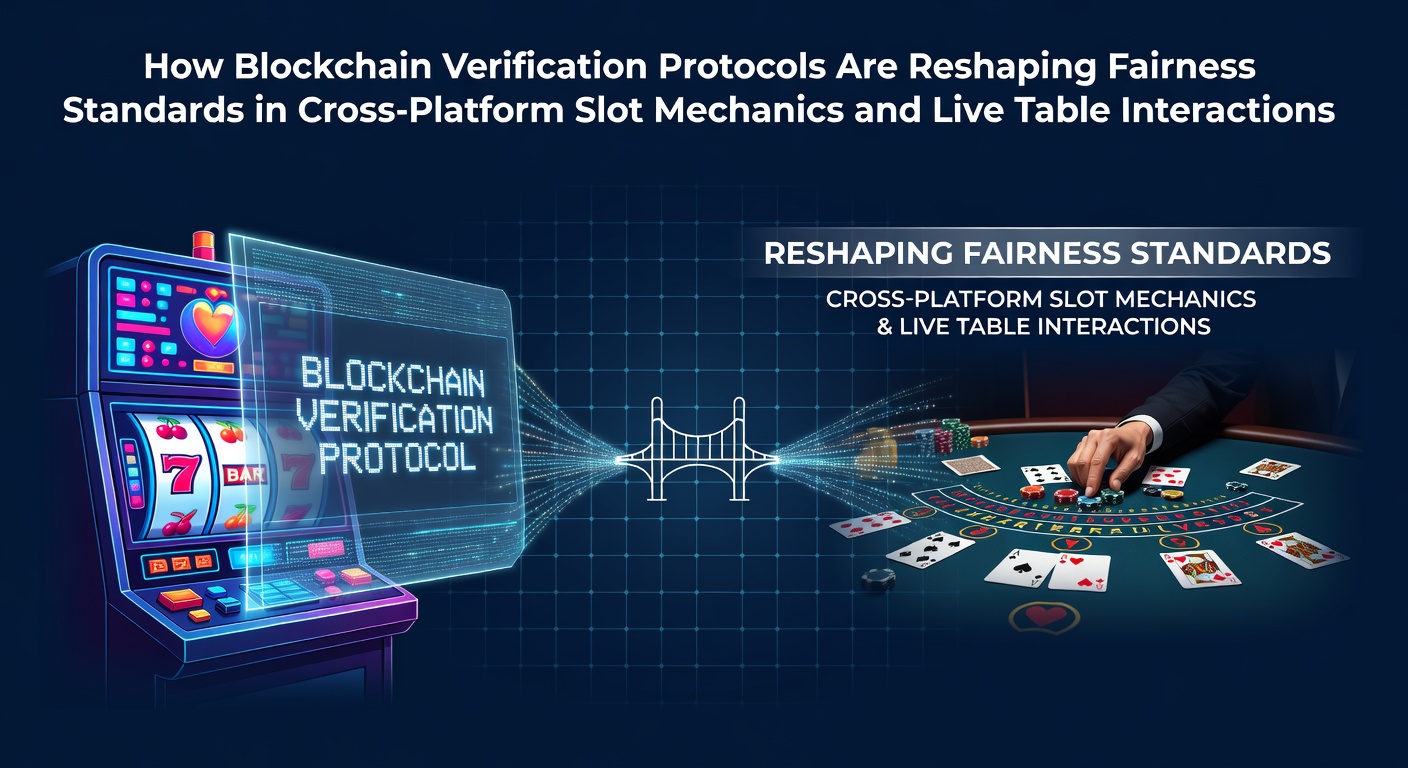
How Blockchain Verification Protocols Are Reshaping Fairness Standards in Cross-Platform Slot Mechanics and Live Table Interactions
Blockchain verification protocols have moved from experimental tools to core components in many online gambling systems, and by May 2026 platforms across multiple regions have adopted distributed ledger methods to record game outcomes and payout calculations. These protocols create immutable records that players and operators can audit independently, which changes how fairness gets measured in both slot mechanics and live table interactions that run on the same backend infrastructure.
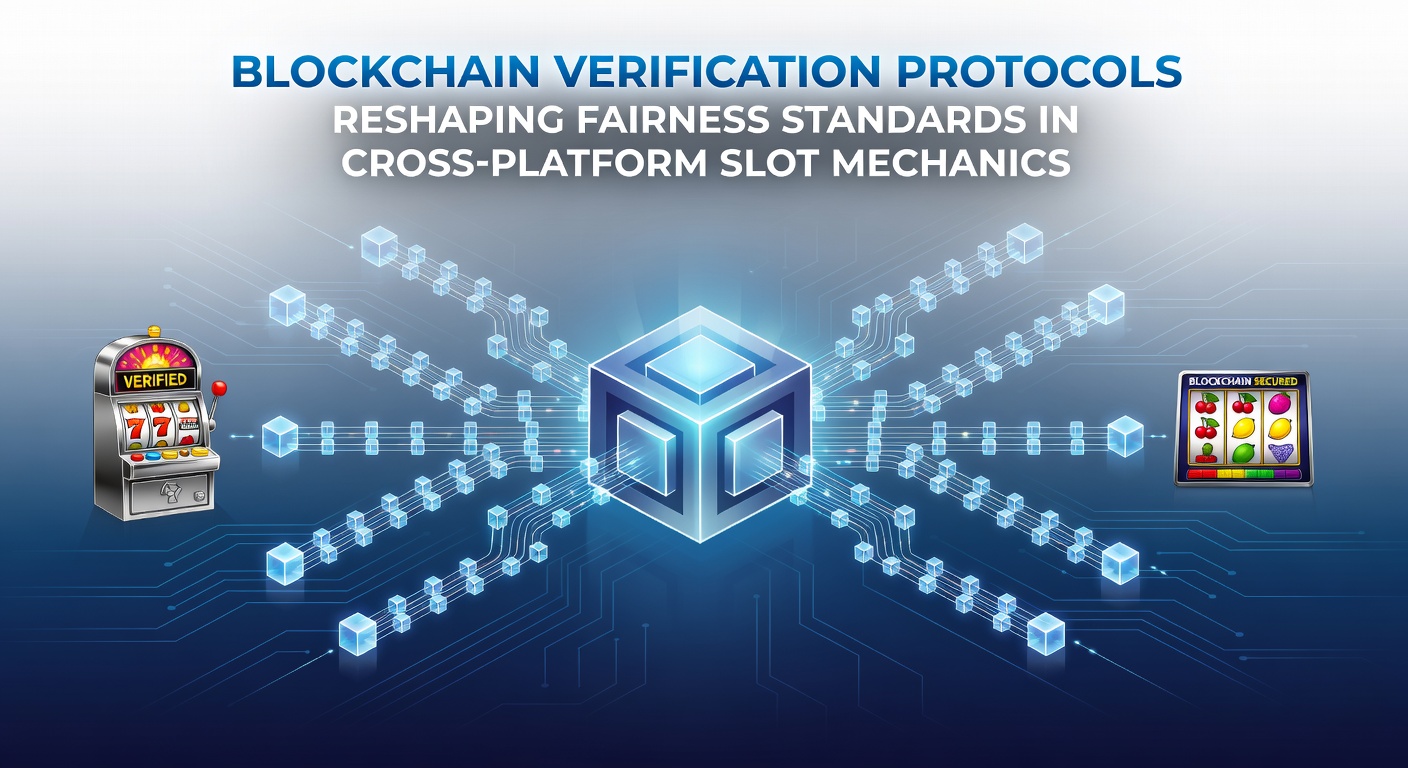
Slot mechanics rely on random number generators that now get anchored to blockchain timestamps and seed values, allowing third-party verification of each spin result without exposing proprietary code. Cross-platform access means a player switching from desktop to mobile sees the same verified sequence because the ledger entry remains consistent regardless of device or operating system. Researchers at institutions studying distributed systems have documented how these ledgers reduce disputes by providing a single source of truth that both parties reference during audits.
Provably Fair Mechanisms in Slot Systems
Operators publish cryptographic hashes of upcoming game seeds on public ledgers before rounds begin, then reveal the actual seeds after outcomes occur so anyone can recompute results and confirm no alterations took place. This process extends across mobile applications, browser sessions, and even integrated sportsbook modules because the underlying ledger stays synchronized through consensus protocols rather than centralized databases. Data from industry reports shows that platforms using these methods report fewer player complaints about outcome integrity, especially when games operate under licenses from regulators in Nevada and several Australian states.
One developer team that integrated a permissioned blockchain for seed management discovered that verification times dropped from hours to minutes once nodes reached agreement on each block, and similar patterns appear in other implementations that followed. The same ledger entries also track progressive jackpot contributions, which prevents discrepancies when players access the same pool from different regions or platforms.
Live Table Interactions and Immutable Audit Trails
Live dealer games present additional verification challenges because physical cards, wheels, and dice must connect to digital records, yet blockchain protocols now capture video frame hashes and dealer action logs in real time. Each shuffle or roll receives a timestamped entry that links back to teh visual feed, creating a chain that external auditors can review without needing direct access to studio equipment. Cross-platform consistency emerges because the same ledger serves both web and app interfaces, so a player watching on a tablet sees identical audit data to someone using a desktop client.
European regulatory frameworks, including guidelines from bodies overseeing remote gaming in Malta and parts of the EU, have begun referencing distributed ledger standards when evaluating new license applications. Figures from recent compliance reviews indicate that operators maintaining on-chain records complete fairness audits in shorter cycles compared with traditional log-file submissions. What's notable is how these records also support responsible gambling features, such as automated limit checks tied directly to verified transaction histories rather than separate tracking systems.
Cross-Platform Standardization and Regulatory Alignment
Because blockchain entries follow open protocols, different platforms can share verification standards without exposing competitive algorithms, which supports interoperability between slot providers and live casino networks. Observers note that this shared infrastructure helps operators meet varying regional requirements while maintaining one technical foundation, whether the jurisdiction follows rules from the Nevada Gaming Control Board or Canadian provincial authorities. Studies published in academic journals on applied cryptography have examined how zero-knowledge proofs further protect player data during these cross-platform checks, allowing verification without revealing individual betting patterns.
Integration with payment rails adds another layer, since smart contracts can release winnings only after the outcome ledger entry receives sufficient confirmations, reducing the window for disputes. Platforms that adopted this approach report smoother reconciliation processes during monthly reporting periods required by multiple licensing bodies. The reality is that these systems still require careful node management to avoid latency issues during peak traffic, yet the underlying verification remains intact once blocks finalize.
Impact on Industry Practices by Mid-2026
As of May 2026 several major aggregators have rolled out unified dashboards that display both slot and live table verification metrics side by side, giving players direct access to the same data regulators review. Trade associations representing online gaming operators have published best-practice documents that recommend embedding blockchain verification at the game engine level rather than as an add-on layer. This shift has prompted software providers to redesign RNG modules and dealer interfaces around ledger-compatible data structures from the start.
One documented case involved a multi-jurisdiction operator that migrated its live blackjack tables to a hybrid ledger system, resulting in faster resolution of player queries because each card draw carried its own verifiable hash. Similar migrations continue in slot verticals where progressive systems span several brands under single management. These changes do not eliminate the need for traditional testing labs, yet they supplement those processes with continuous on-chain monitoring that captures events in sequence rather than in periodic batches.
Conclusion
Blockchain verification protocols continue to influence how fairness standards evolve for cross-platform slot mechanics and live table interactions, supplying shared, auditable records that operate independently of any single device or operator database. Regulatory bodies in multiple regions now evaluate these systems during licensing reviews, while technical implementations mature around consensus methods that balance speed with security. The result is a growing set of tools that make outcome integrity measurable across different game types and access points, supported by data that both operators and external reviewers can examine on equal terms.