Exploring Interconnections Between Mobile Application Features and Diversified Game Offerings in Cryptocurrency-Based Wagering Environments
Olivia Hayes · Jun 9, 2026
Exploring Interconnections Between Mobile Application Features and Diversified Game Offerings in Cryptocurrency-Based Wagering Environments
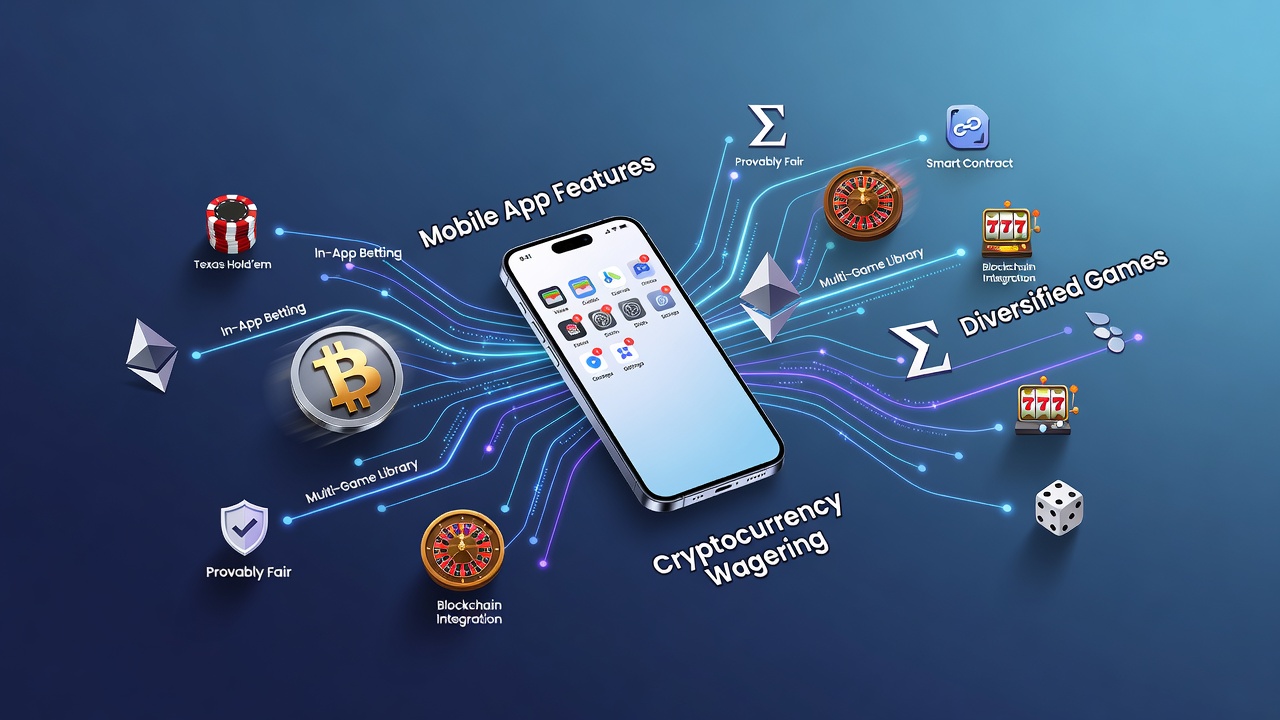
Platform developers have built mobile applications that link specific interface elements directly to expanded selections of games within cryptocurrency wagering systems, creating pathways where users move between different betting formats through shared technical components. These connections appear in navigation structures that support instant shifts between slot machines, sports event wagers, and table game variants while maintaining consistent cryptocurrency transaction layers across each category.
Interface Elements That Support Multiple Game Types
Application designers implement tabbed layouts and swipe gestures that connect users to varied game libraries without requiring separate logins or wallet reconnections, allowing a single cryptocurrency balance to fund activity across poker rooms, live dealer sessions, and virtual sports simulations. Data from the Canadian Gaming Association indicates that platforms using unified dashboards recorded higher rates of cross-category participation in 2025 compared with segmented interfaces. Those same systems often incorporate predictive loading features that preload assets for several game types simultaneously, reducing wait times when players decide to switch formats mid-session.
Search and filter tools within these applications pull from centralized databases that index both traditional casino offerings and emerging cryptocurrency-specific titles, such as blockchain-verified progressive jackpots alongside standard reel games. Observers note that this indexing approach lets recommendation engines surface options from multiple verticals based on recent transaction patterns rather than isolated play history in one genre.
Cryptocurrency Transaction Layers and Game Access
Wallet integration modules handle deposits and withdrawals through protocols that remain active regardless of the selected game category, enabling users to allocate funds toward diversified portfolios of bets without exiting the primary application view. Transaction confirmation speeds vary by blockchain network yet consistently support rapid reallocation between sportsbooks and casino sections when users adjust strategies across different event types. In June 2026 several operators updated their mobile clients to include multi-chain selectors that automatically route cryptocurrency transfers to the lowest-fee option available, a change that coincided with increased simultaneous participation in both athletic wagering and slot tournaments.
Security overlays such as biometric authentication remain constant across game sections, which reduces friction when players move cryptocurrency holdings from one offering to another. Researchers at the University of Nevada, Reno documented that applications maintaining persistent wallet states across game types experienced measurable retention improvements during periods of high market volatility for digital assets.
Personalization Algorithms Connecting User Behavior to Game Variety
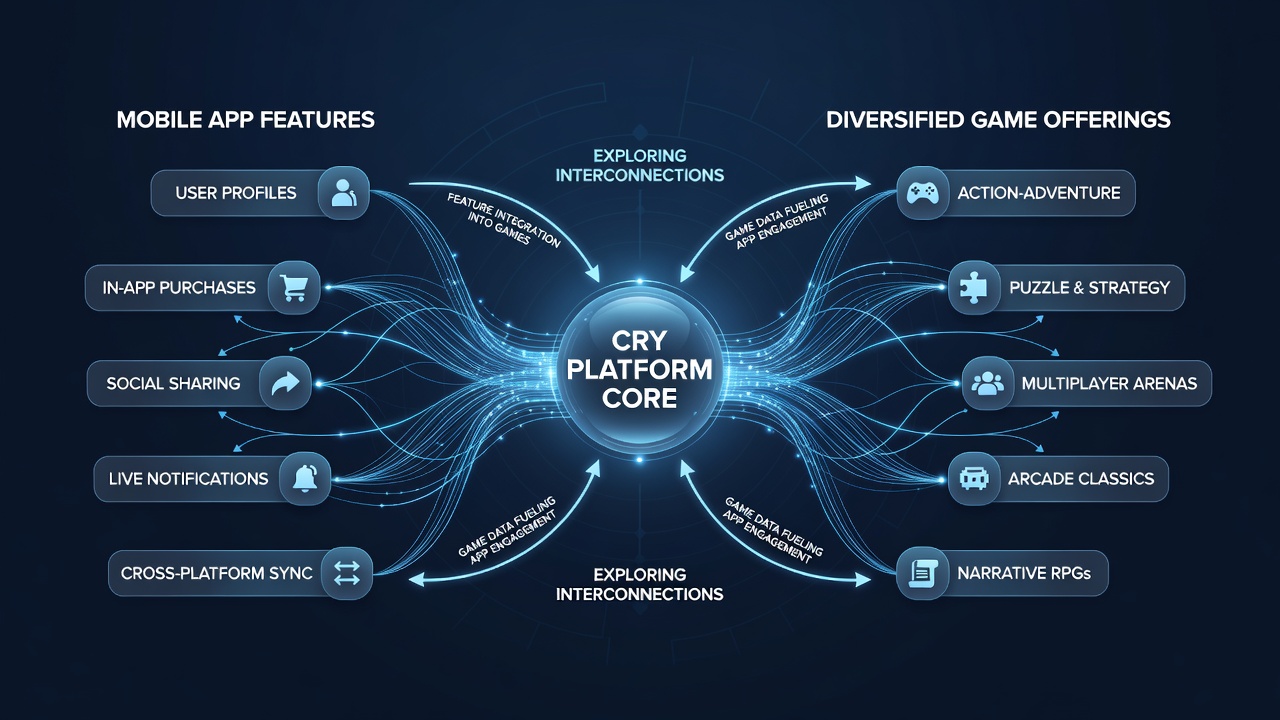
Machine learning models analyze cryptocurrency transaction volumes alongside session durations to generate suggestions that span multiple game classes, prompting users toward underutilized offerings that match their established risk preferences. These models operate on data collected uniformly across all platform sections rather than siloed per game type, which produces cross-promotional prompts that reference both recent sports bets and earlier slot activity within the same notification stream. Platforms employing this unified data approach have expanded their game catalogs more rapidly because developers receive aggregated usage signals that highlight demand gaps across categories.
Push notification systems further tie mobile features to diversification by delivering timed alerts about new releases in one vertical while referencing activity levels in another, encouraging exploration without forcing users to navigate away from their current session. Australian regulatory filings from the past year show that operators disclosing these interconnected notification practices maintained stable user bases even as overall market participation fluctuated.
Technical Infrastructure Enabling Simultaneous Access
Backend architectures employ containerized game servers that scale independently yet share authentication tokens and cryptocurrency ledger connections with the mobile client, permitting users to maintain active positions in several game types concurrently when network conditions allow. This infrastructure supports features such as split-screen modes on larger tablets where one portion displays live sports odds while another runs a slot session funded from the same digital wallet. Observers have recorded that such parallel access patterns appear more frequently on platforms that synchronize game state updates through a single cryptocurrency node rather than multiple separate ledgers.
Update cycles for mobile applications now bundle changes across game modules simultaneously, ensuring that new titles introduced in any category inherit existing interface conventions and payment pathways already familiar to users. This bundling reduces development overhead while preserving the interconnections that allow seamless movement between offerings.
Conclusion
Mobile application features and diversified game offerings in cryptocurrency-based wagering environments operate through shared technical foundations that include unified wallets, centralized data models, and consistent authentication layers. These elements combine to create functional pathways where user activity in one game category influences access and recommendations in others. Continued platform development in this area centers on refining the synchronization between interface components and the expanding range of available wagering formats.