Data Analytics Driving Customized Incentives Across Unified Casino Sportsbook and Poker Environments
Carlo Coleman · Aug 25, 2026
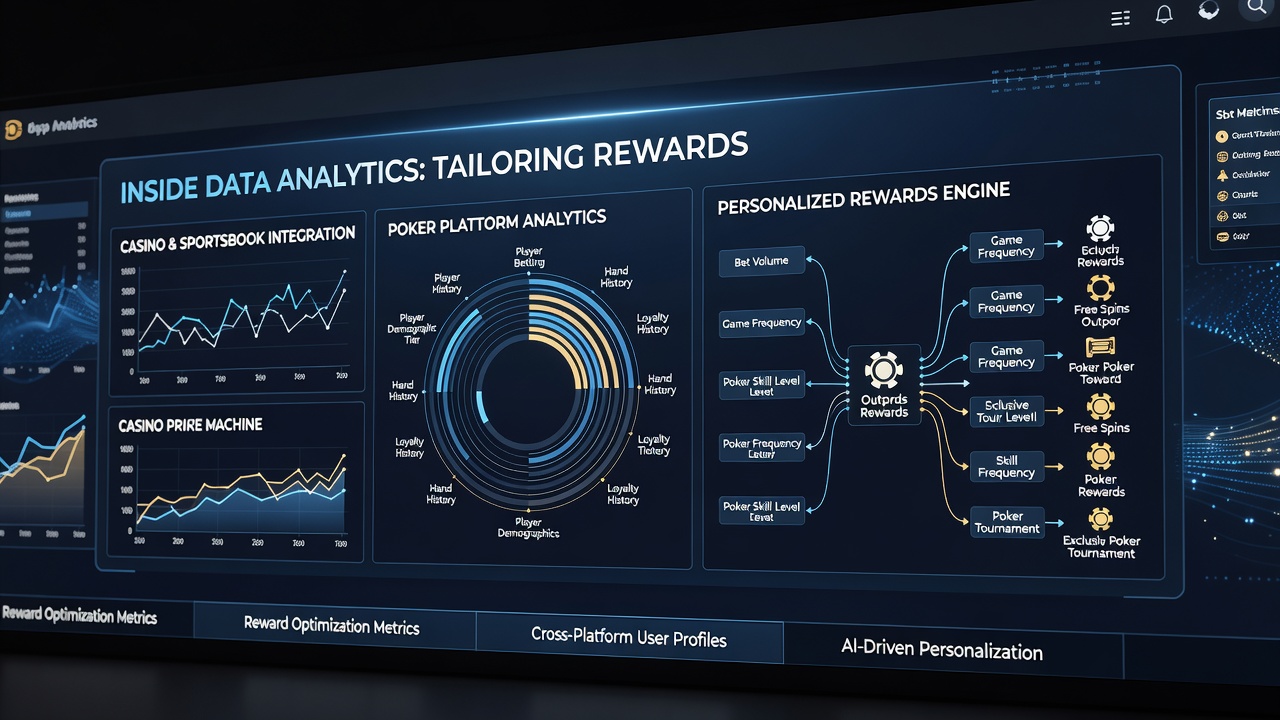
Data Analytics Driving Customized Incentives Across Unified Casino Sportsbook and Poker Environments
Integrated platforms that combine casino games, sportsbook betting, and poker tables now rely on data analytics to shape reward structures that respond directly to individual player patterns, and this approach has expanded notably by August 2026 as operators integrate larger datasets from cross-product activity. Operators collect behavioral signals such as session length, bet sizing, game selection, and response to previous offers, then apply segmentation models that group users into categories based on predicted lifetime value and engagement risk.
Core Data Inputs and Collection Methods
Transaction records from slots, table games, live sports wagers, and poker hands feed into centralized warehouses where algorithms identify correlations between specific actions and retention outcomes, while real-time streams allow adjustments during active sessions. Research from university-affiliated gaming studies shows that platforms using unified player profiles across all three verticals achieve higher accuracy in forecasting churn compared with siloed systems, because a user who reduces poker volume but increases sportsbook stakes reveals different preferences than one who shifts entirely to casino play.
Segmentation and Predictive Modeling Techniques
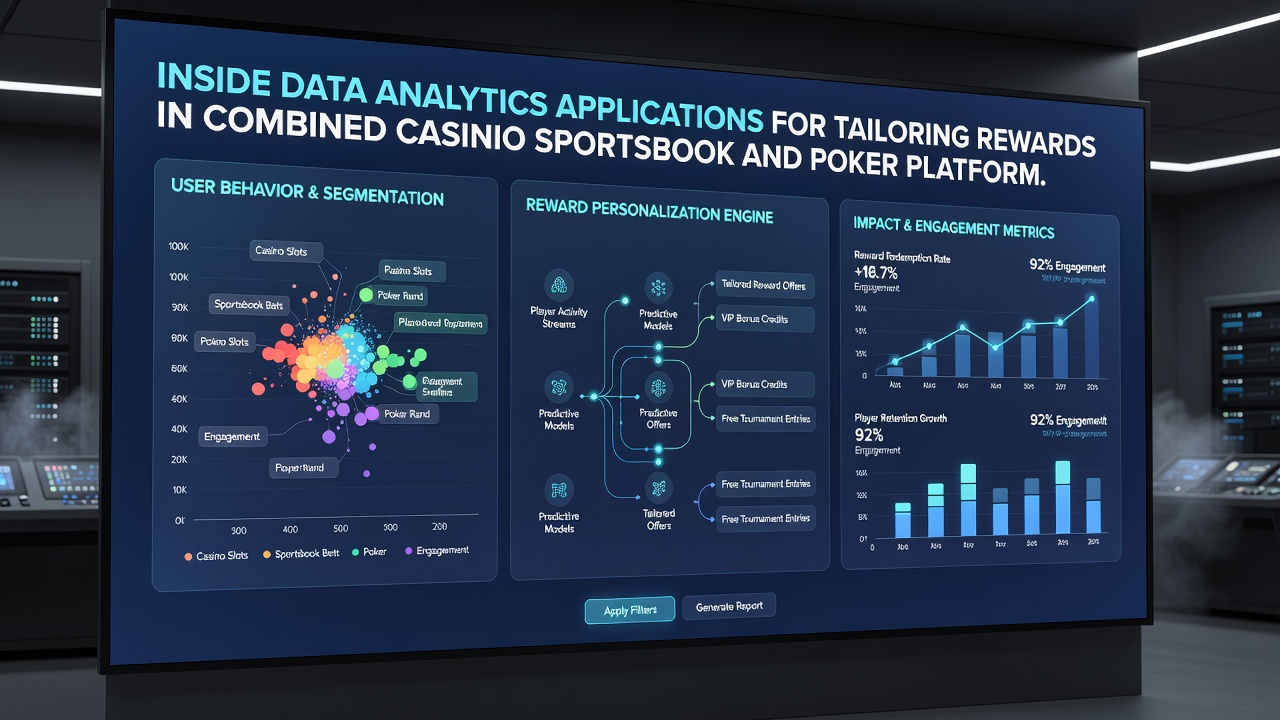
Clustering techniques divide audiences into cohorts that receive differentiated offers, for instance granting higher cashback percentages to players whose poker rake contribution exceeds a calculated threshold while directing free bet credits toward those whose sportsbook activity spikes during major events. Predictive models trained on historical data from multiple jurisdictions help operators time reward delivery, such as issuing reload bonuses immediately after a losing streak detected in casino sessions or extending loyalty multipliers when poker tournament participation drops below seasonal averages.
Real-Time Personalization in Practice
One common implementation involves dynamic bonus engines that recalculate eligibility every few minutes based on live metrics, and this method has gained traction because it aligns incentives with current behavior rather than static historical summaries. Data from regulatory filings in several U.S. states indicate that operators employing such engines report measurable lifts in daily active users, particularly when rewards bridge product types, for example converting casino loss rebates into poker tournament entry credits or sportsbook profit boosts into slot free spins.
Cross-Product Reward Bridging Strategies
Reward programs that span casino, sportsbook, and poker allow points earned in one area to unlock benefits in another, and analytics determine optimal conversion rates by measuring which exchanges produce the strongest retention signals. Observers note that platforms tracking these cross-vertical redemptions can identify high-value players who respond well to hybrid incentives, such as a user who accumulates sports betting volume during football season yet redeems points for poker rake races. Figures from industry reports released in mid-2026 reveal that operators adjusting these conversion formulas quarterly maintain steadier engagement curves than those relying on fixed structures.
Regulatory and Privacy Considerations
Compliance requirements in multiple regions shape how far analytics teams can push personalization, and operators must balance data utility against restrictions on targeted marketing. Australian state regulators and Canadian provincial authorities have issued guidance emphasizing transparent data usage disclosures, while European frameworks require explicit consent mechanisms before cross-product profiling occurs. These rules influence reward design by limiting certain automated triggers, prompting developers to incorporate opt-in layers that still permit effective segmentation within approved boundaries.
Measurement of Program Effectiveness
Key performance indicators tracked by analytics platforms include repeat deposit rates, average revenue per user within each cohort, and product migration patterns after reward exposure. Studies published by academic research centers focusing on digital wagering demonstrate that tailored programs outperform generic loyalty tiers when measured across combined verticals, because they address the distinct motivational drivers present in casino sessions versus poker grind or sports event betting. Operators review these metrics monthly, refining model weights to account for seasonal fluctuations such as increased sports activity around major tournaments or poker traffic spikes during series events.
Future Directions in Analytics Integration
Advances in machine learning continue to refine how platforms predict optimal reward types and values, and integration with external data sources like event calendars or economic indicators adds another layer of precision. As of August 2026, several large operators have begun testing reinforcement learning agents that adjust offer parameters autonomously within regulatory guardrails, using feedback loops from player responses to improve targeting accuracy over successive cycles.
Conclusion
Analytics applications for reward tailoring in combined casino, sportsbook, and poker platforms rest on systematic collection and interpretation of player data across all products, and the resulting programs demonstrate measurable effects on engagement metrics when properly calibrated. Continued evolution of these systems will depend on balancing technical capability with regulatory expectations across different jurisdictions, ensuring that personalization remains both effective and compliant.