Cross-Border Regulatory Differences Transform Biometric Login Effects on Retention in Virtual Poker and Slot Platforms
Gisela Powell · Aug 4, 2026
Cross-Border Regulatory Differences Transform Biometric Login Effects on Retention in Virtual Poker and Slot Platforms
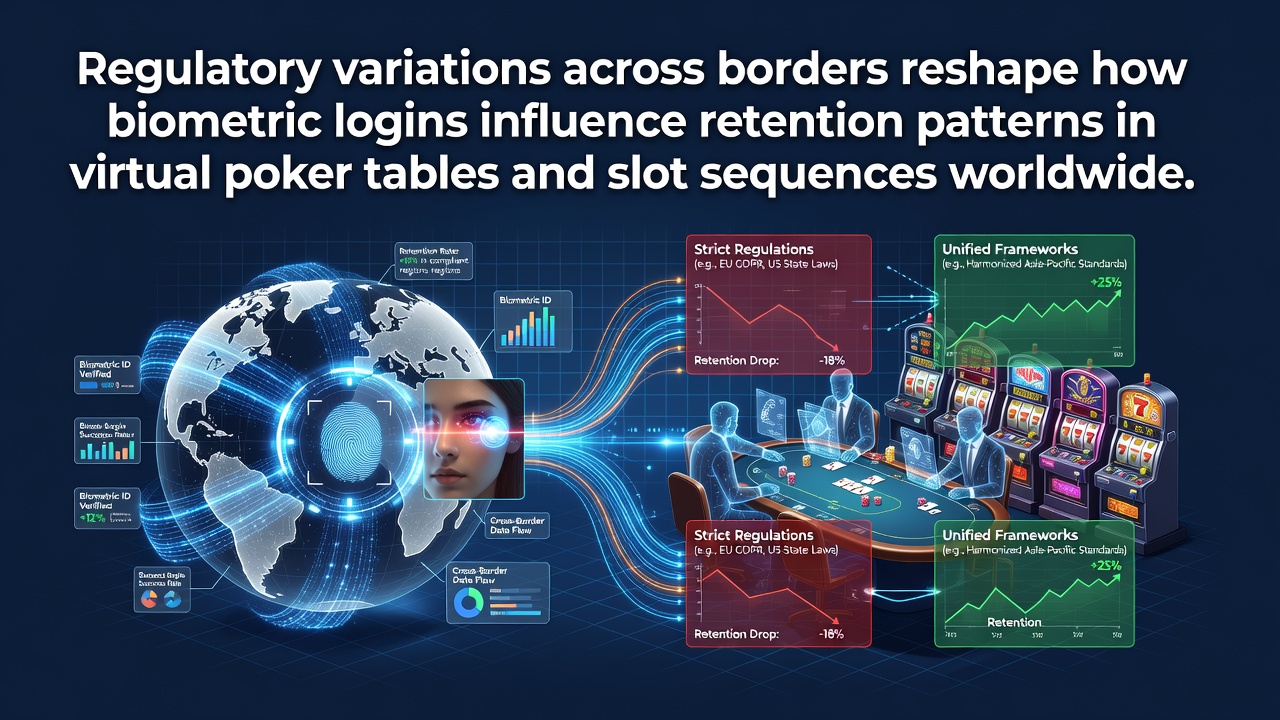
Regulatory variations across borders continue to shape biometric authentication practices in online gambling environments, and these differences directly affect how players maintain sessions at virtual poker tables and slot sequences. Jurisdictions impose distinct requirements on data collection, storage, and consent for biometric identifiers such as fingerprints and facial recognition, which in turn influence login frequency and session continuity. Data from multiple markets shows that stricter privacy rules often reduce the adoption rate of biometric logins, while more permissive frameworks accelerate their integration into platform interfaces.
Regional Regulatory Frameworks and Biometric Adoption
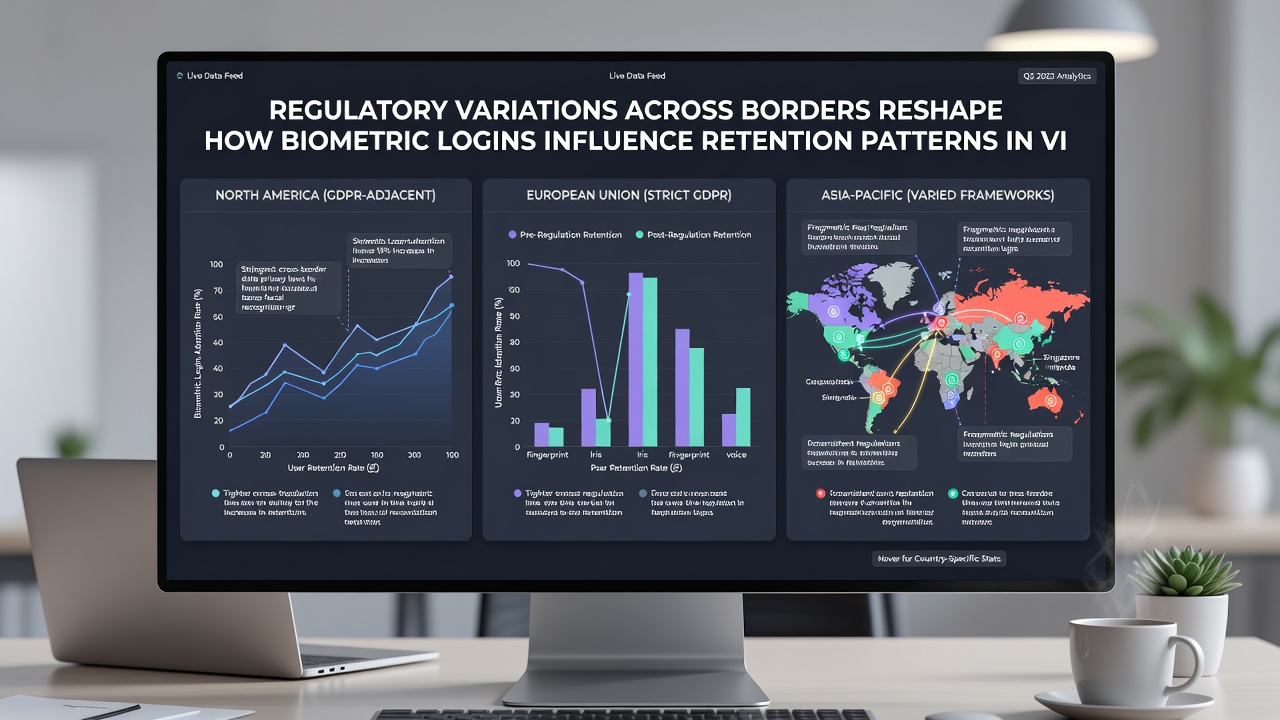
European markets operate under the General Data Protection Regulation, which classifies biometric data as sensitive and requires explicit consent along with robust security measures before platforms can deploy facial or fingerprint verification for player accounts. Australian states apply varying state-level rules that sometimes mandate additional identity checks beyond biometrics, creating layered compliance steps for operators serving cross-border users. Canadian provinces have introduced guidelines that permit biometric logins when operators demonstrate clear security benefits, yet they still demand regular audits that affect how quickly new features reach players. These frameworks produce measurable differences in login persistence, with platforms in permissive regions reporting higher rates of repeat biometric use during peak evening hours in August 2026.
Operators adjust their systems accordingly, and many implement region-specific toggles that disable or limit biometric options based on user location. Research indicates that when regulations force fallback to password or two-factor methods, players complete fewer consecutive hands at poker tables and trigger fewer spin sequences in slot games. The result appears in retention metrics tracked by analytics firms that monitor session length and return visits across different regulatory zones.
Impact on Virtual Poker Table Retention
Biometric logins allow seamless re-entry into poker lobbies without repeated credential entry, yet regulatory hurdles in certain areas interrupt this flow. Platforms in jurisdictions that permit streamlined biometric verification record longer average table sessions, because players remain authenticated across multiple tables without friction. In contrast, markets that require periodic re-verification see increased drop-off after the first hour of play, according to aggregated industry reports. Observers note that regulatory emphasis on data minimization often limits how much biometric information operators can retain, which reduces the accuracy of auto-login features over time and prompts more manual interventions.
One study of multi-jurisdictional operators revealed that poker retention rates declined by measurable margins when biometric options were restricted, while platforms operating under lighter rules maintained steadier player counts through continuous authentication. The pattern holds across both casual and high-stakes tables, where quick rejoining after brief absences matters most to overall engagement.
Effects on Slot Sequence Engagement
Slot sequences rely on rapid successive spins, and biometric authentication supports uninterrupted play by eliminating login prompts between games. Regulatory environments that classify biometric templates as personal data subject to deletion requests create situations where stored profiles expire, forcing players to re-enroll and temporarily pause activity. Figures from platform analytics show that slots in regions with strict deletion timelines experience shorter average session lengths compared with areas allowing longer template retention under audited conditions. Operators respond by offering hybrid login flows that combine biometrics with non-biometric backups, yet these hybrids still register lower completion rates for extended spin sequences.
Global data compiled in 2026 indicates that slot retention improves when regulations permit biometric data to persist across sessions with user consent, whereas mandatory refresh cycles correlate with higher exit rates after the initial 30-minute window. The differences become particularly visible during promotional events that encourage consecutive play.
Global Patterns and Operator Adaptations
Operators serving worldwide audiences maintain separate compliance teams to track evolving rules in each market, and these teams frequently update biometric settings to match local statutes. A report from the Canadian Gaming Association highlights how provincial variations produce distinct retention curves for both poker and slots when biometric features are enabled or restricted. Similar patterns emerge in analyses from the European Gaming and Betting Association, which tracks how consent requirements alter login persistence across member states. Platforms that synchronize their systems with these variations sustain steadier player bases, because users encounter fewer authentication barriers aligned with their home jurisdiction.
Cross-border players who switch between regulatory zones often experience inconsistent biometric availability, which disrupts established habits and reduces overall retention when compared with single-jurisdiction users. Operators therefore design geo-aware interfaces that adjust authentication prompts automatically, preserving session continuity where regulations allow.
Conclusion
Regulatory variations across borders continue to determine the extent and consistency of biometric login implementation in virtual poker and slot environments. Differences in consent rules, data retention limits, and verification frequency produce distinct retention patterns that operators monitor through location-specific analytics. As markets evolve, platforms that align biometric features with each jurisdiction's requirements maintain more stable engagement levels across poker tables and slot sequences worldwide.